
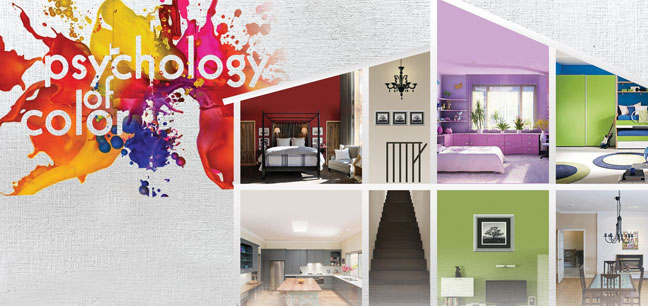
While many people have favorite colors, the subconscious impact of colors is often overlooked. Psychological research reveals the influence of colors on mood and productivity. While responses may vary, certain universal associations exist. This article explores the psychological effects of different colors and how they can promote positivity in the workplace.
Green
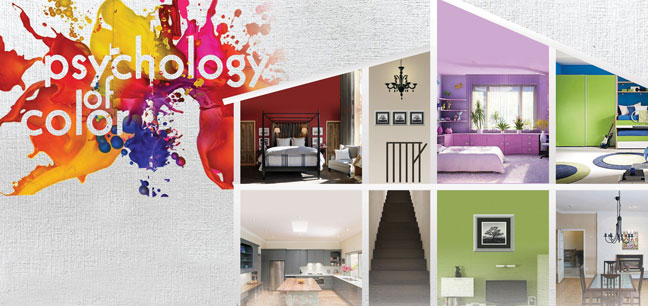
Known for its calming effect, green is associated with nature and the outdoors. Research from the University of Georgia found that, among 13 colors, green evokes the most positive emotions such as relaxation. Ideal for office spaces, it can cultivate a positive, cheerful, and relaxed atmosphere for workers.
Blue
In offices, blue is valued for its calming and non-distracting qualities. Studies conducted by Dr. Stone and the University of Glasgow revealed that a blue environment is linked to increased positive mood. Blues are recognized as emotionally positive, making it a suitable color for creating a pleasant, calming, and productive workspace.
Yellow
Bright and optimistic, yellow is linked to cheerfulness and creativity. Saturated yellow can stimulate creativity, but excessive use can lead to eye strain and irritability. To harness its benefits, use yellow sparingly in lighter shades in a home setting.
Red
Bold and eye-catching, red is associated with danger and passion. However, excessive use can be counterproductive. Research conducted by Elliot and colleagues and Dr. Stone indicates that exposure to red impairs performance on tasks. Avoid widespread use in a home setting for an optimal environment.
Colors to Avoid
Avoid predominant reds, as they can hinder a relaxing home environment. Additionally, avoid yellow-green mixtures, commonly considered unpleasant with negative connotations. Excessive white and gray can create a clinical and uninspiring look, causing glare and discomfort. Likewise, too many dark colors should be avoided to prevent a gloomy and confined atmosphere.
