
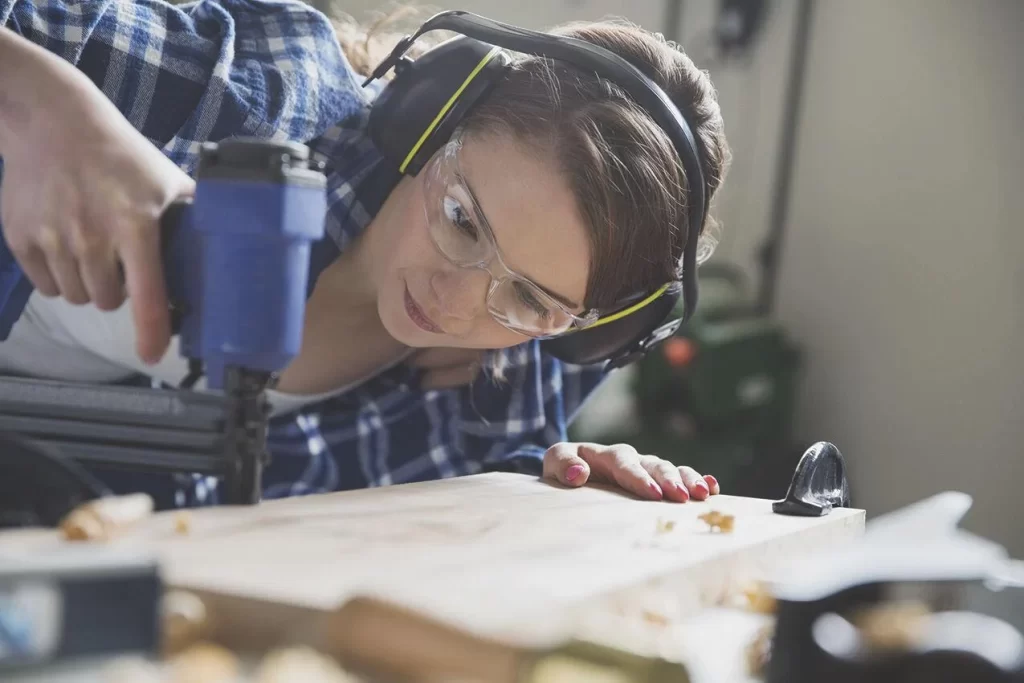
Each year in the United States, approximately 200,000 people end up in the hospital due to injuries sustained during DIY projects, primarily falls and injuries caused by sharp objects. Fortunately, many of these incidents can be prevented, and in the event of an injury during a DIY accident, there may be a possibility of compensation.
To stay safe during home DIY projects, here are some precautions to consider.
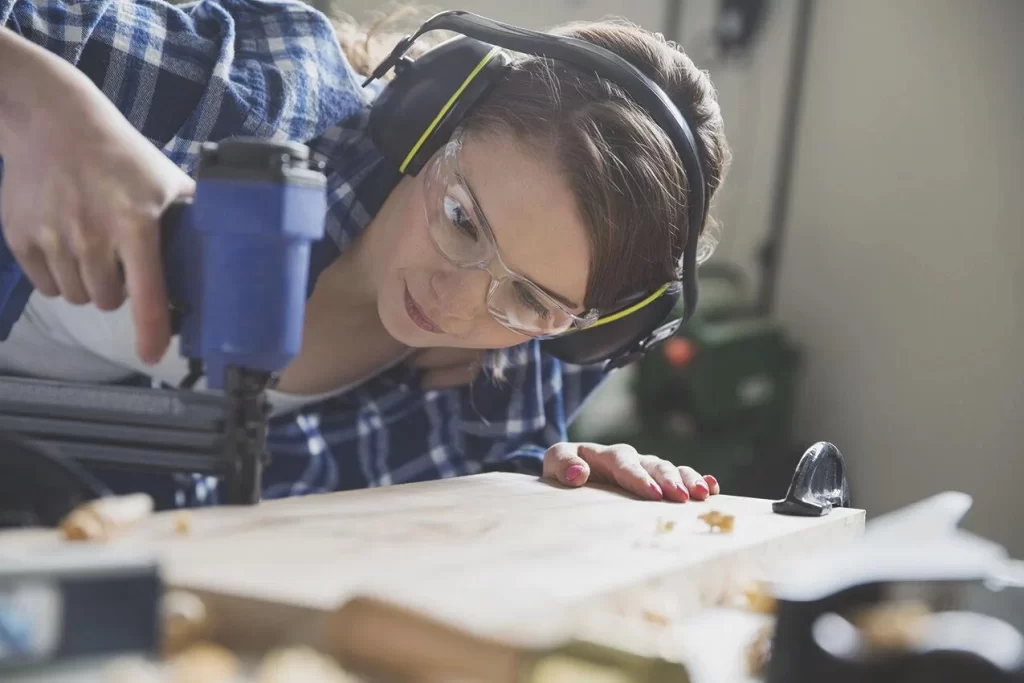
Personal Protective Equipment (PPE)
For any DIY activity, the right protective equipment is essential. Loose clothing and jewelry should be avoided as they can become entangled in machinery or power tools, leading to injuries. It is also crucial to wear sturdy footwear, especially when working at height, such as on a ladder.
Tasks such as sanding walls or painting in confined spaces typically require safety goggles or respirators to prevent inhalation of harmful fumes and particles.
Reading Instructions
This may seem basic, but always read the instructions for any new tool or equipment you plan to use. This reduces the risk of injury. Online tutorials are also an excellent resource for learning how to use tools safely.
Using Appropriate Tools
DIY enthusiasts may not have the extensive collection of tools that a professional might own. However, using the right tools for each task is important, which might mean buying or renting them from local hardware stores.
Incorrect use of tools is a common cause of DIY injuries. Make sure to use each tool as intended, for example using a hammer for striking rather than the back end of a power tool.
Understanding Your Abilities
Consider your experience and skills before tackling a DIY project. Some tasks, such as plumbing or electrical work, should ideally be left to professionals to avoid personal injury or damage to your property.
It is crucial to avoid makeshift solutions for complex work, as this could affect your ability to sell your home in the future. Professional certification and inspection may be required for such work.
Treating Injuries
Despite all safety measures, accidents can still happen. Always have a first aid kit nearby during DIY projects. A well-stocked kit should include antiseptic, sterile bandages, sterile eye pads, and adhesive tape.
