
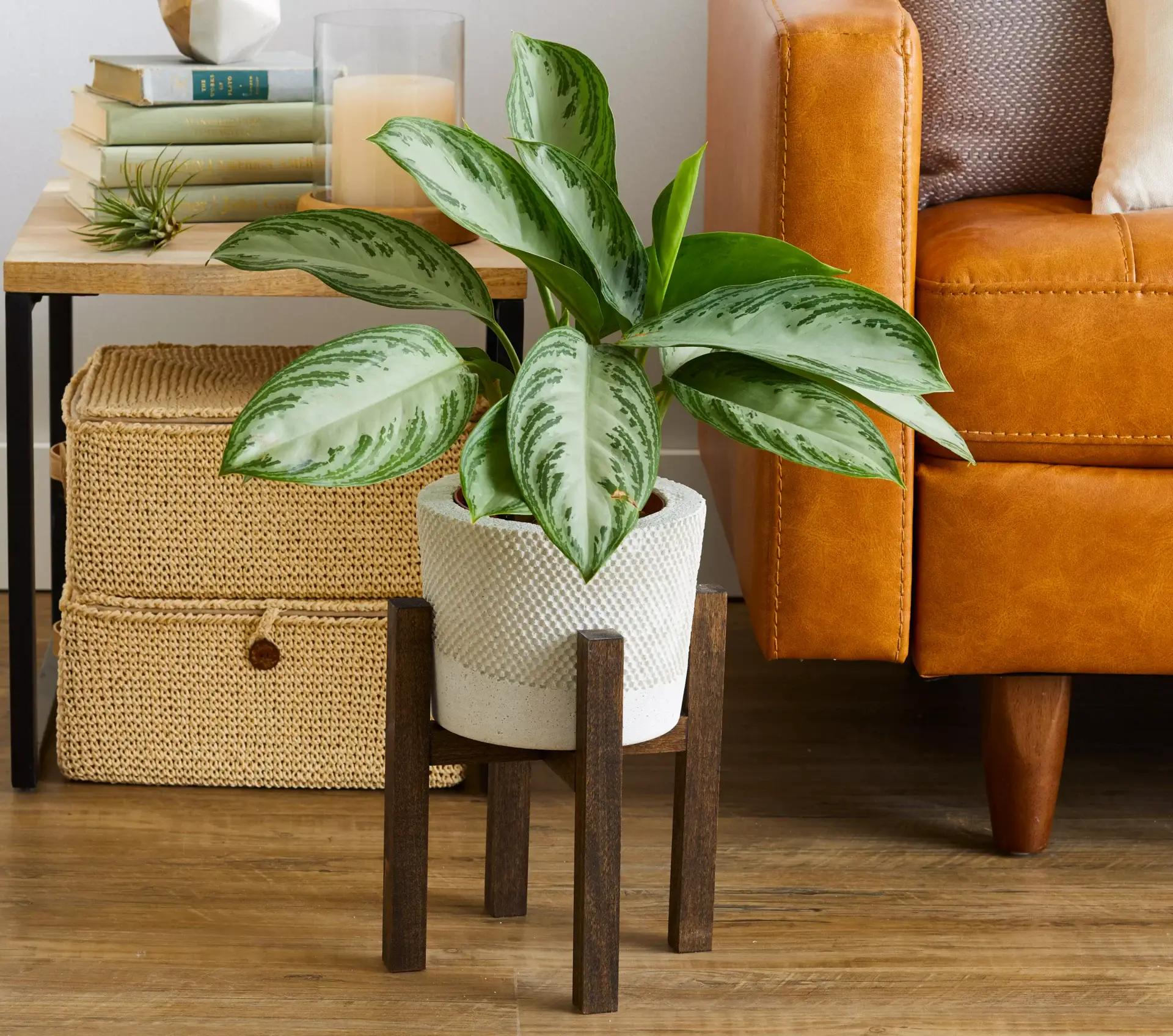
Plant stands are so much more than simple functional accessories—they allow you to seamlessly integrate your greenery into your interior decor while giving them the height and light they need to thrive. With our DIY plant stand ideas, you can create a simple piece of furniture that showcases your favorite plant, whether it is an imposing jade or a delicate kalanchoe, both indoors and outdoors. The beauty of these projects is that they can be completed in a weekend or less, with materials readily available at any hardware store and basic tools that most DIY enthusiasts already own.
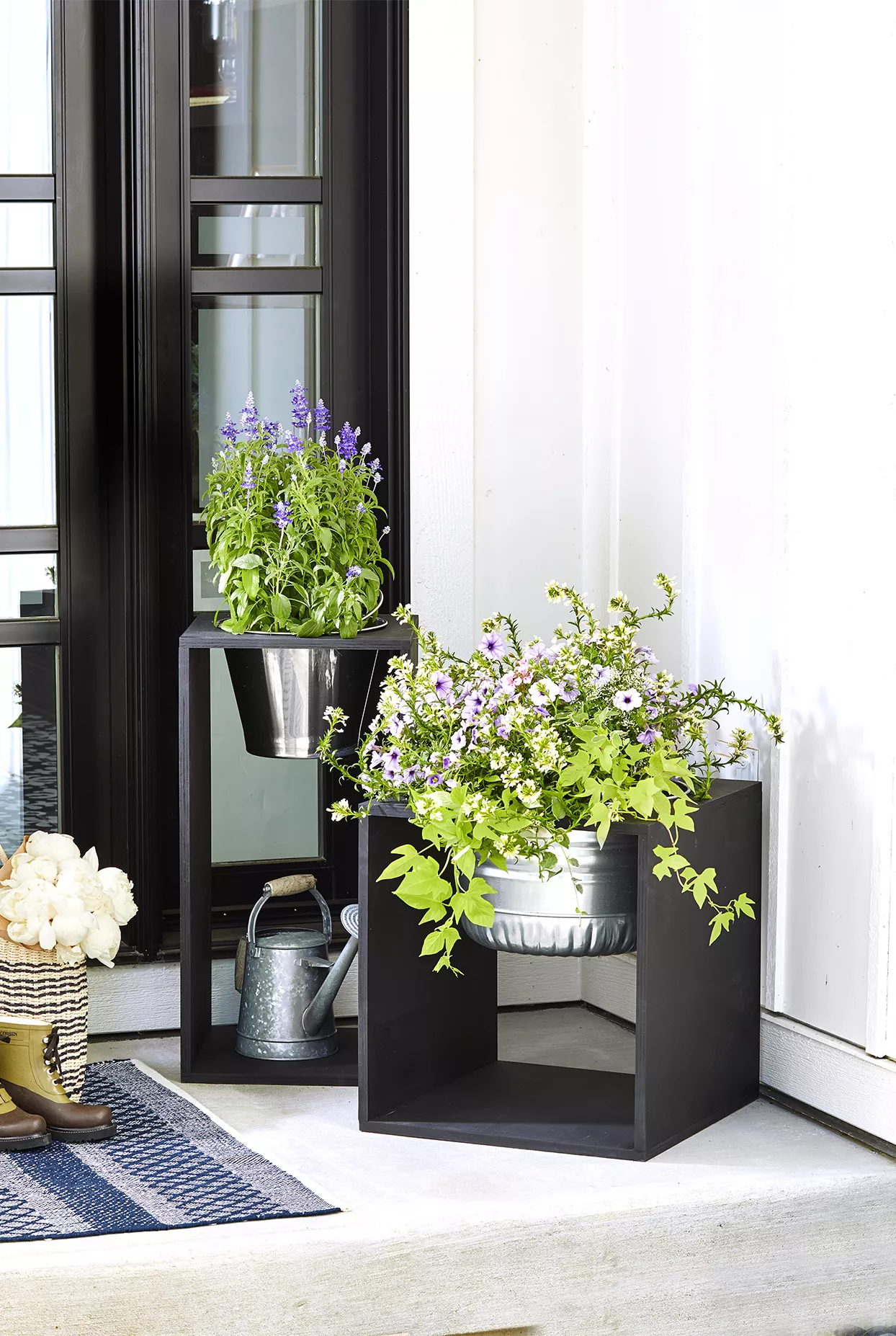
For beginners who want to get started without a major investment, the simplest solution is to repurpose a vintage stool, a wooden ladder, or a coffee table that you already own. These objects found at flea markets or at your grandparents’ house instantly become unique displays that add character and a story to your space. If you prefer to build something more elaborate, a geometric plywood stand can be made in a single day: start by cutting 55-centimeter squares from quality plywood, trace a perfect circle in the center of each square to hold the plant pot, carefully cut out the circle with a jigsaw, assemble the different levels with strong wood glue and screws, then paint the whole thing in the color of your choice for a professional finish. A gabion stand can become a striking feature in any garden or landscape, using materials traditionally reserved for retaining walls to create a contemporary decorative piece with a very trendy industrial look. For the deck or balcony, a trellis stand brings a modern touch with its clean lines painted in black, perfect for climbing plants.
The mid-century modern style remains particularly popular in the design world thanks to its clean lines, elegant angles, and references to nature. A wooden stand with lines inspired by the 1950s perfectly complements this timeless style and fits just as well in a designer living room as in a bright sunroom. To make it yourself, cut square battens to a height equivalent to twice the height of your pot to create a vertical effect, measure the widest part of the pot to determine the width of the stand, and assemble everything with metal brackets for a finish that is both sturdy and attractive. If you have a piece of furniture in good condition but want to give it an aged, weathered look, the technique of partial sanding followed by a fresh coat of paint easily achieves a charming and authentic shabby chic look that will turn heads.
Plant stands can also be true sculptural works of art, especially if you choose designs that complement your existing interior decor. Placing your plants at different heights creates an effect of depth and drama that visually energizes the space. This concept, known as “plant theatre” in the United Kingdom, consists of a multi-tiered shelf that resembles a small bookcase, staging your plants like actors on a theatre stage. Tall, majestic plants like monstera or fiddle-leaf figs can become the focal point of a room: for outdoors, try colorful cannas or elegant calla lilies; for indoors, tall branches and leaves offer a resolutely green, minimalist yet bold approach. Whatever material you choose—iron being the most popular for its sturdiness and elegance—make sure to take light and temperature into account, as most tropical houseplants appreciate neither cold drafts nor direct heat sources like radiators.
