
One of the most decisive factors for a successful vegetable garden is unquestionably soil quality, and among its many characteristics, pH plays a fundamental role that is often underestimated by amateur gardeners who focus solely on watering and sun exposure. Growing plants that are well-suited to your soil pH makes gardening considerably easier and more productive, turning the experience into a pleasure rather than a constant struggle. While plants like potatoes and blueberries thrive in acidic soils with a pH below 6, the vast majority of garden vegetables prefer a slightly acidic to neutral pH, ideally situated between 6.0 and 7.0. But did you know that many common vegetables tolerate alkaline soils very well—those with a pH above 7.0? If your garden has a higher pH, you are not at all limited in your crop choices—quite the opposite—and this article will show you why.
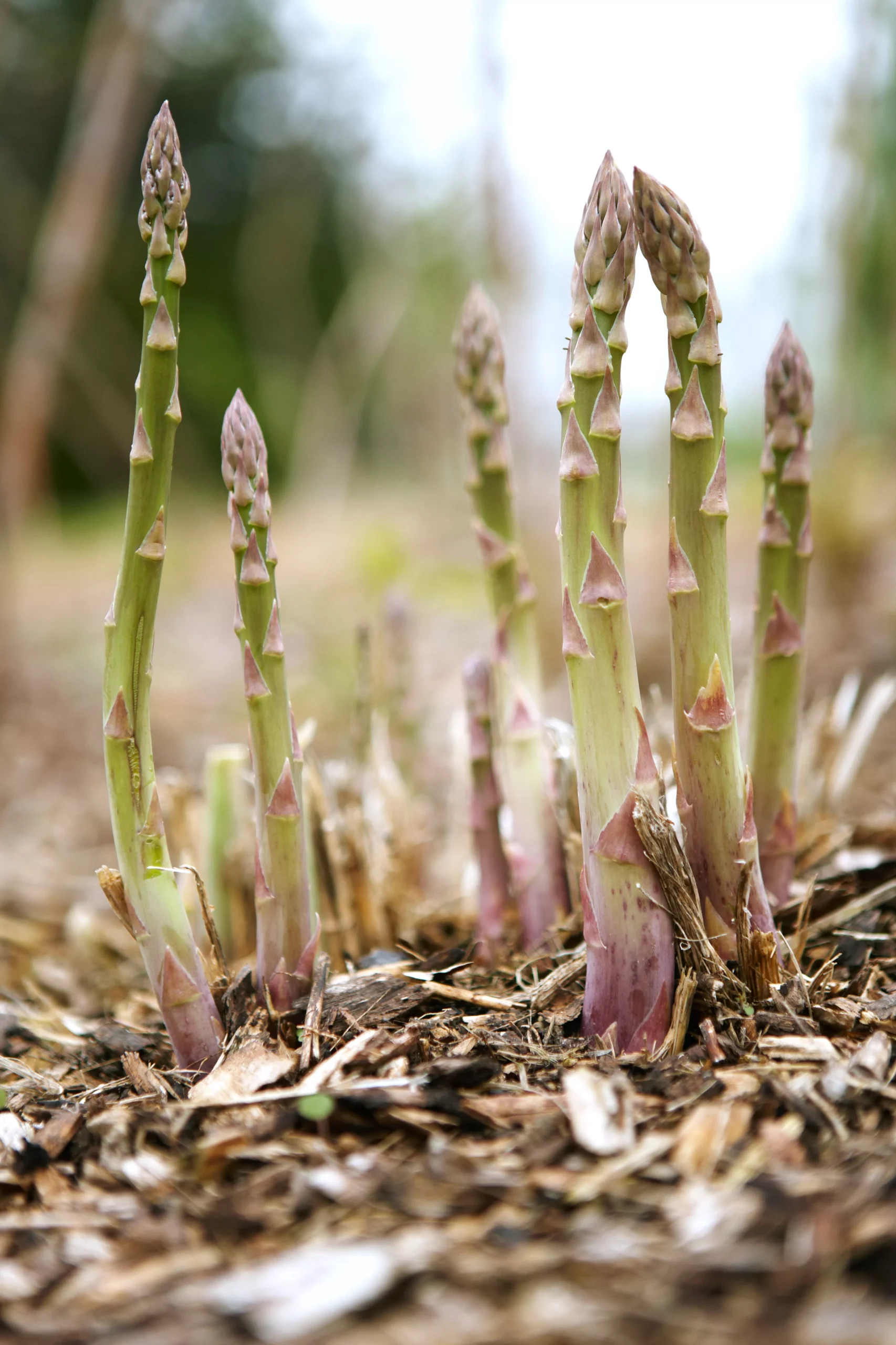
Asparagus is among the vegetable garden crops that best tolerate alkaline soils, handling a pH of up to 8.0 or 8.5 without difficulty, making it an excellent and reliable choice for gardeners facing this specific condition. Not only does it adapt remarkably well to these conditions, but it also offers a delicious spring harvest that generously rewards the gardener’s patience year after year, sometimes for more than twenty years if well maintained. Okra plants, a must-have staple of Southern United States gardens, prefer a pH close to neutral but adapt surprisingly well to less acidic soils, generously producing their green pods even in less-than-ideal conditions. Vegetables in the brassica family—cabbage, cauliflower, broccoli, and Brussels sprouts—generally prefer slightly acidic to neutral soils, but they adapt remarkably well to alkaline conditions, making them ideal candidates for a wide diversity of soil types.
Carrots, those crunchy root vegetables beloved by all gardeners, grow best in loose, deep, well-drained soil with a pH close to neutral, making them particularly suited to less acidic gardens where they will develop long, straight roots. Peas are especially interesting to study because acidic soils make it harder to absorb essential nutrients like phosphorus and potassium, which they need to produce their tasty pods, and they frequently develop nutrient deficiencies in very acidic soils. Neutral or slightly alkaline soils are therefore a better choice for this popular and easy-to-start crop. Parsnips, like carrots, thrive in loose, well-drained soil but tolerate a much wider pH range, making them an ideal crop if your soil tends toward alkalinity without having to artificially modify its pH. It is important to note that when soil pH is too low, nutrients like manganese and aluminum can accumulate to toxic levels and seriously cause growth and development problems, and garlic is particularly sensitive to this, with toxicity symptoms appearing rapidly.
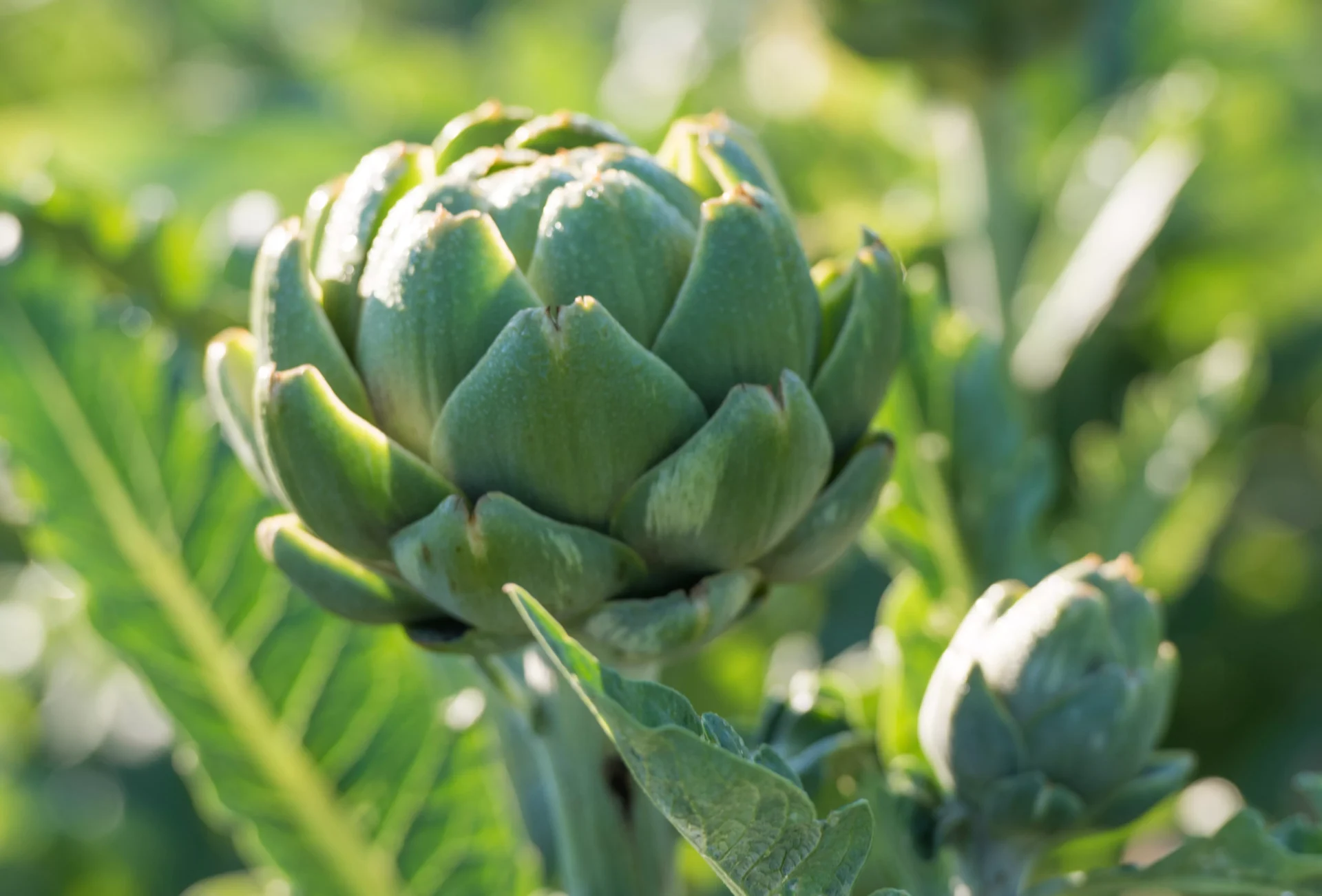
Spinach and Swiss chard can grow in a wide pH range from 6.0 to 8.0, but Swiss chard is particularly tolerant of alkaline soils with its colorful stems and nutritious leaves, making it a safe and decorative choice for gardeners who do not know their soil’s exact pH. Mustard greens are an easy and generous plant that germinates quickly from seed and grows in an impressive variety of climatic and soil conditions, including slightly alkaline soils where it will develop its full potential. Finally, majestic artichokes prefer neutral soil but adapt perfectly to slightly acidic to slightly alkaline conditions, offering a spectacular harvest with their edible flowers that are both delicious and ornamental in the vegetable garden. To determine your garden’s exact pH before planning your crops, have your soil tested by a specialized laboratory or use a reliable home test kit available at garden centers. A pH of 7 is considered neutral, below 7 is acidic, and above 7 is alkaline. Knowing your precise pH allows you to make informed choices about the vegetables best suited to your garden and to achieve a bountiful and flavorful harvest without having to fight against the very nature of your soil or resort to costly and complex amendments.
