
Carpet remains a popular choice for flooring in British homes, offering comfort, functionality, and aesthetic appeal. This extends to stair covering, whether you are replacing an existing carpet or installing it for the first time. To ensure a hassle-free installation process, it is crucial to measure your stairs accurately.
While hiring a professional is an option, measuring stairs for carpet can be a DIY task. In this article, we will guide you through the process, providing step-by-step instructions for each section, from the landing to the stairs and the hallway.
The Benefits of Carpet for Stairs
Carpeting on stairs is a very common flooring method in the UK, offering various practical and aesthetic advantages:
Safety
Carpets provide a non-slip surface, improving safety and reducing the risk of accidents, especially on stairs.
Soundproofing
Carpet helps reduce noise transmission, muffling sounds within your home and minimising disturbance to neighbours, which is particularly beneficial in multi-storey homes.
Comfort
Offering unparalleled comfort underfoot, carpets make the experience of going up and down stairs more pleasant, reducing foot fatigue compared to other options.
Insulation
Carpet on stairs adds an extra layer of insulation, reducing heat loss and potentially leading to energy savings.
Enhanced Aesthetics
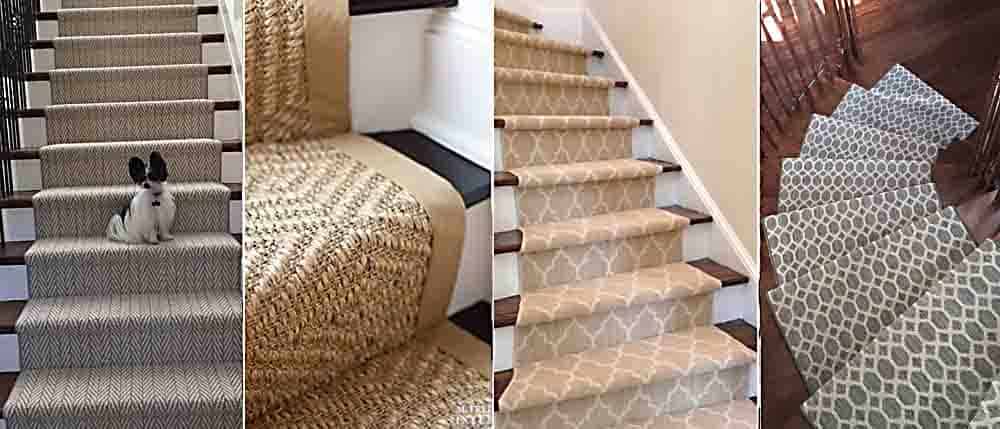
Carpeted stairs contribute to the overall look of your staircase, allowing for customisation to match your interior design and personal style.
Prevents Wear and Tear
Carpets protect stairs from wear and tear, concealing imperfections and minor damage, ensuring durability and longevity.
Durable and Easy to Maintain
High-quality carpets are durable and can withstand heavy foot traffic. Additionally, modern carpets are designed for easy cleaning and maintenance.
How to Measure Stairs for Carpet
Measuring stairs for carpet involves several steps, requiring different approaches for each section. Here is a guide to simplify the process:
Prepare Your Equipment
Gather the essential tools, including a tape measure, a pen or pencil, a sheet of paper, and a ruler.
Take Notes
Write down all measurements to avoid confusion. Start from the upstairs landing and work your way down the stairs.
Measure the Landing
Draw a floor plan, ensuring the location of the stairs is accurately noted. Measure the landing, including doorways, and extend the measurements to the top of the first step.
Measure the Stairs
Note the number of straight and winding steps. For straight stairs, measure from the back of the previous step to the next one, including the width. Measure winding steps individually.
Measure the Turn (if necessary)
For stairs with a half-landing, measure the width across the turn and downwards. Measure winding steps separately, noting the dimensions.
Measure the Hallway
Draw a floor plan for the hallway, measuring as you would for any room. Include doorways, alcoves, and take wall-to-wall measurements where necessary. Indicate the stair entry point on the floor plan.
By following these steps and maintaining accuracy, even a novice DIYer can effectively measure stairs for carpet installation. Explore our site for more practical tips on DIY and interior design.
