
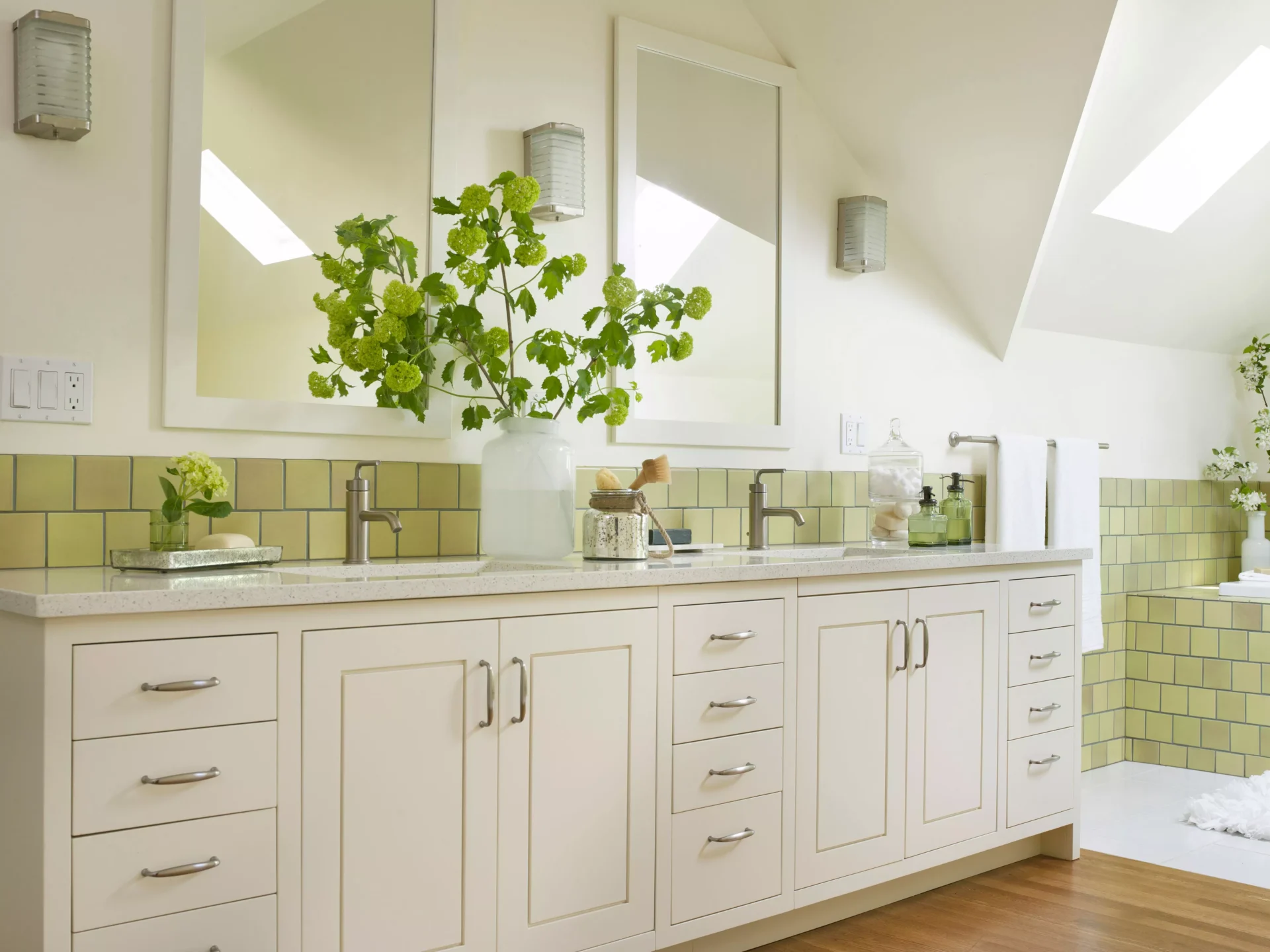
Your bathroom deserves just as much personality as the rest of your home. In 2026, bathrooms are evolving from standardized spaces into highly personalized environments that reflect individual lifestyles and routines. Earthy colors and natural materials remain foundational, but warmth, character upgrades, and functional personalization are leading the way.
This article draws on the NKBA (National Kitchen & Bath Association) 2026 Bathroom Trends Report, which reveals a major shift in how we design these intimate spaces.
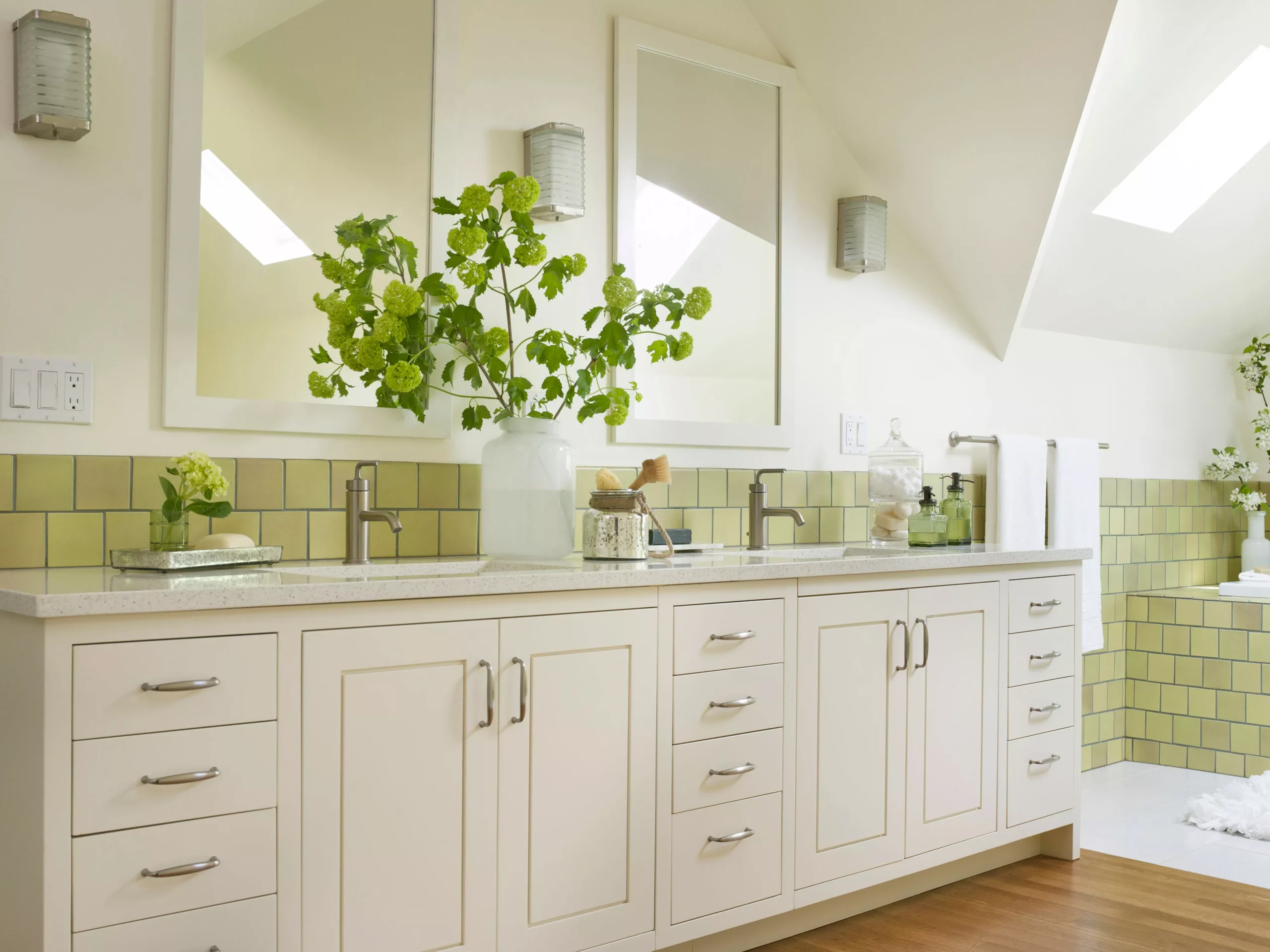
1. Warm Accents
A quick update comes through layering warm textures and finishes. Peter Wells of Amerock explains that customers are seeking designs that “feel elevated yet accessible,” and warm metals paired with organic materials achieve that balance. He recommends brushed brass, gold, and bronze in softer, less polished finishes for hardware, lighting, and faucets.
Cognac leather and modern wood grains amplify this effect. Wells suggests textured accents like “leather-wrapped handles or fluted glass” for a refined look that pairs well with neutral, earthy palettes.
2. Eye-Catching Faucets
The NKBA report highlights faucets as a key visual element for adding personal style. Jamie Chappell of Fireclay Tile describes how “faucets and showerheads are becoming functional art” with expressive shapes and tactile details. Fireclay’s Foundry collection offers Pebble and Groove ceramic handle options with various color and finish choices. This trend brings a bold new look to an everyday utilitarian fixture, both in primary bathrooms and guest powder rooms.
3. Microcement Surfaces
Designer Denise Merbeth identifies microcement, a textured decorative coating, as an emerging trend. She explains that it is “inspired by traditional Moroccan Tadelakt plaster,” is waterproof, works on all bathroom surfaces, and can even be applied over existing tile. The material’s blend of textures and neutral colors suits both minimalist and contemporary rustic styles. Applied in warm neutral tones, it adds movement through a simple surface without visual clutter.
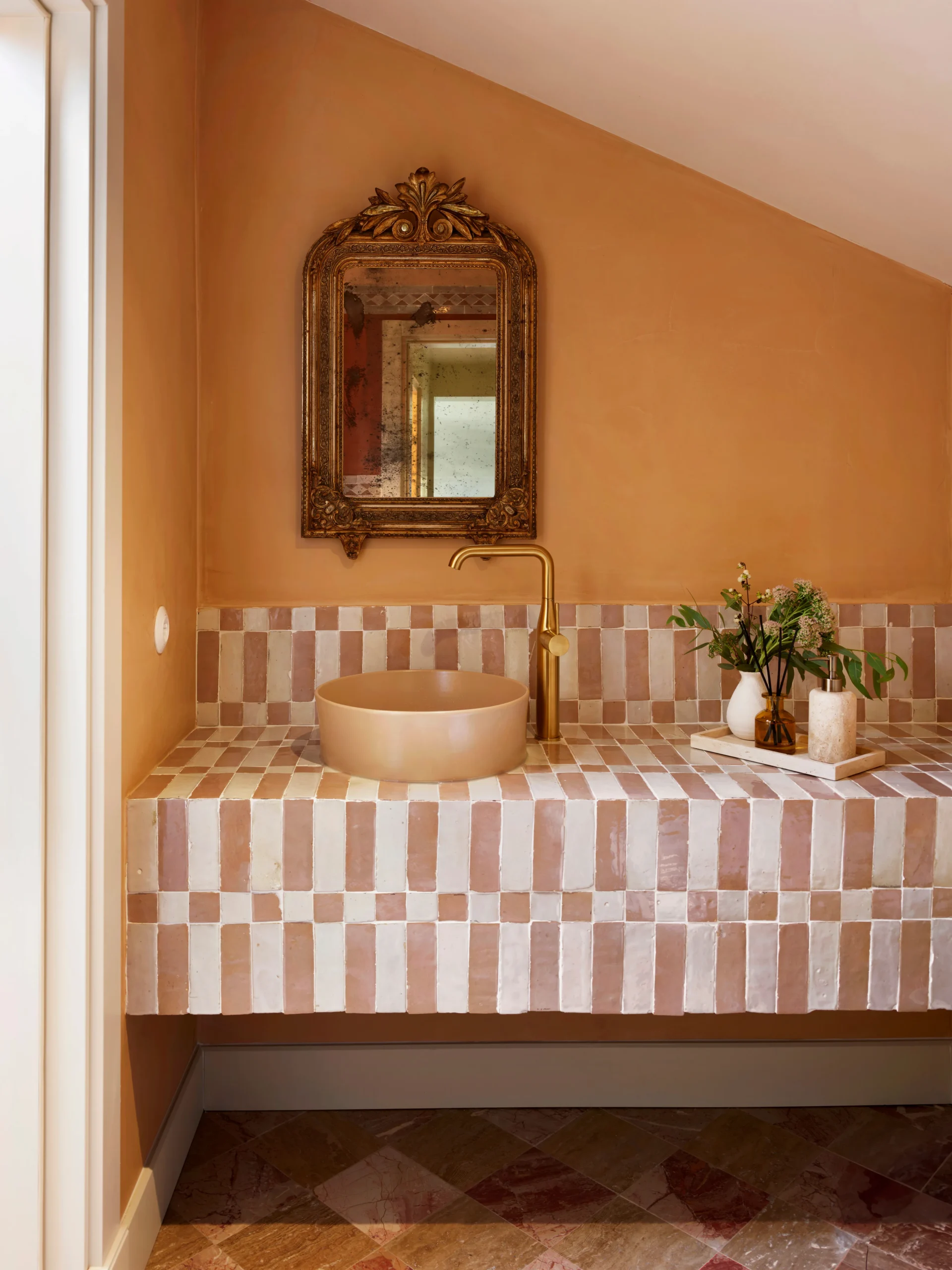
4. Hardware That Highlights Craftsmanship
As minimalism recedes, cabinet hardware is gaining more interesting details. Wells notes that “knurling, fluting, beveled edges, and hammered finishes” signal precision and quality. He explains that these tactile designs align with “quiet luxury” — hardware that feels custom and intentional. The key is balance rather than dramatically standing out. Wells advises keeping finishes “matte, brushed, satin, or natural-looking” so the craftsmanship shines subtly.
5. Artful Tile
While large-format, easy-maintenance tiles remain popular, homeowners are increasingly seeking color and pattern. Chappell notes that “artisan-look glazes with movement and complexity are booming” as design becomes more personal. Fireclay’s Manzanita Gloss finish adds variation and richness to simple shapes. Patterned tile is also making a comeback, notably “checkerboards, swept layouts, and mosaics in rich, moody palettes.” The NKBA report notes growing demand for custom tiles on sink backsplashes.
6. Personalized Wellness
The bathroom has evolved from a simple spa space into a personalized wellness center. Merbeth explains that technology now allows homeowners to “program their plumbing fixtures to their personal preferences,” with showers, bathtubs, toilets, and bidets offering customizable settings. Saunas, steam showers, whirlpool tubs, and even cold plunge baths are increasingly in demand for their therapeutic benefits. The report also anticipates more outdoor connections — spas, cold plunges, and other outdoor wellness equipment.
7. Ritual-Focused Vanities
As personalization and wellness merge into personal rituals like skincare and makeup, storage is also evolving. Erin Sullivan of James Martin Vanities explains that vanities “are moving toward high-end furniture without sacrificing practical storage needs.” Built-in storage for hair tools, makeup, and medications, along with accessible outlets and counter space, are essential. For small spaces, Sullivan suggests an “intentionally designed small beauty zone” — a floating shelf with a decorative mirror creates a dedicated vanity space without a major renovation.
In 2026, the bathroom is no longer a utilitarian room: it is a space of personal expression where design meets wellness, and where every detail can be tailored to each individual’s needs and tastes.
