
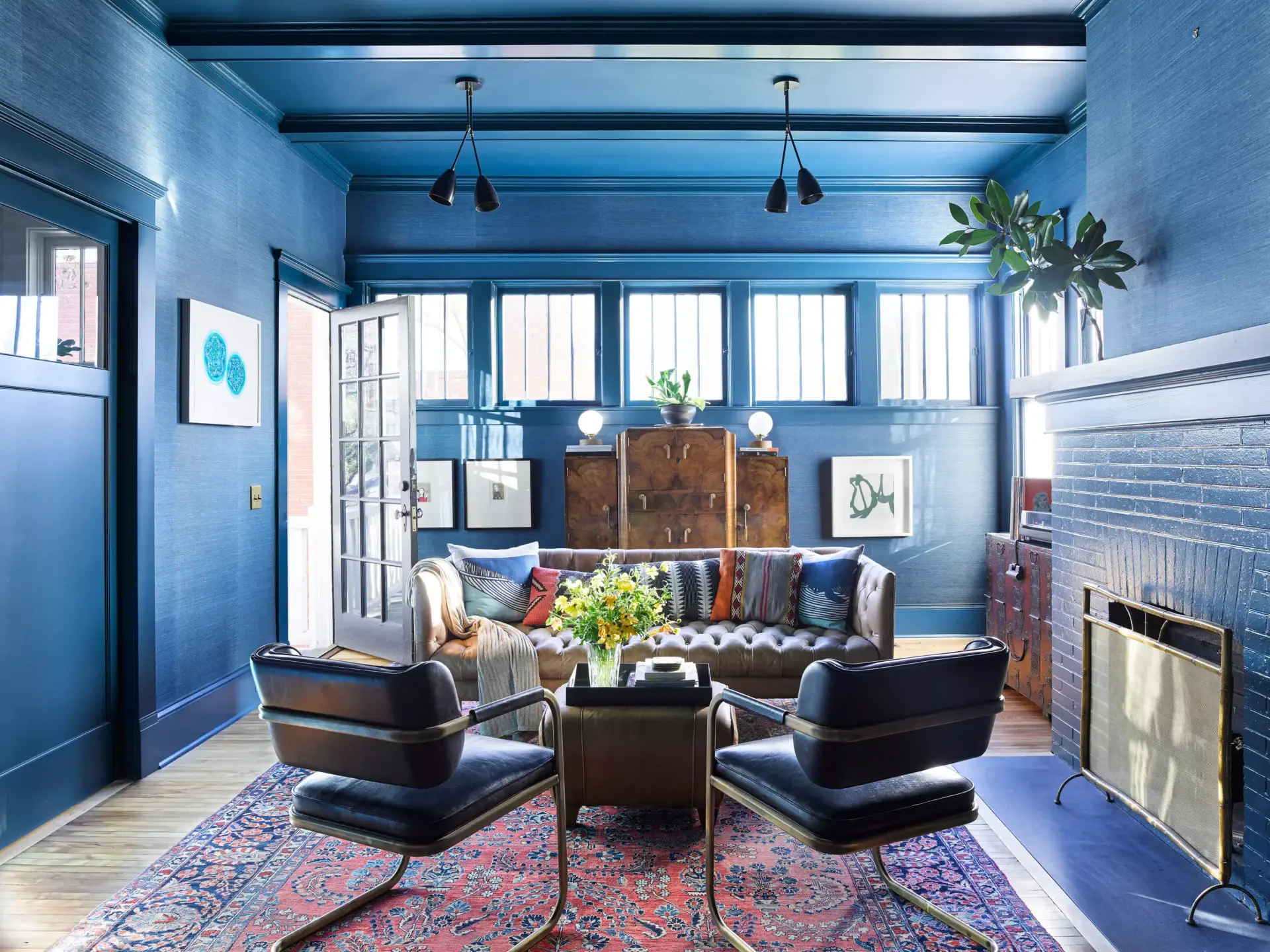
The “color drenching” technique — which involves painting the walls, trim, and ceiling the same color — has taken over our interiors in recent years. But is it a passing trend or a timeless classic? We asked an interior designer to find out.
Color drenching emerged alongside the renewed interest in cozy English interiors and very dark colors. While some consider it timeless, others worry it could become a regrettable choice, given how quickly online trends evolve.
Is Color Drenching a Timeless Trend?
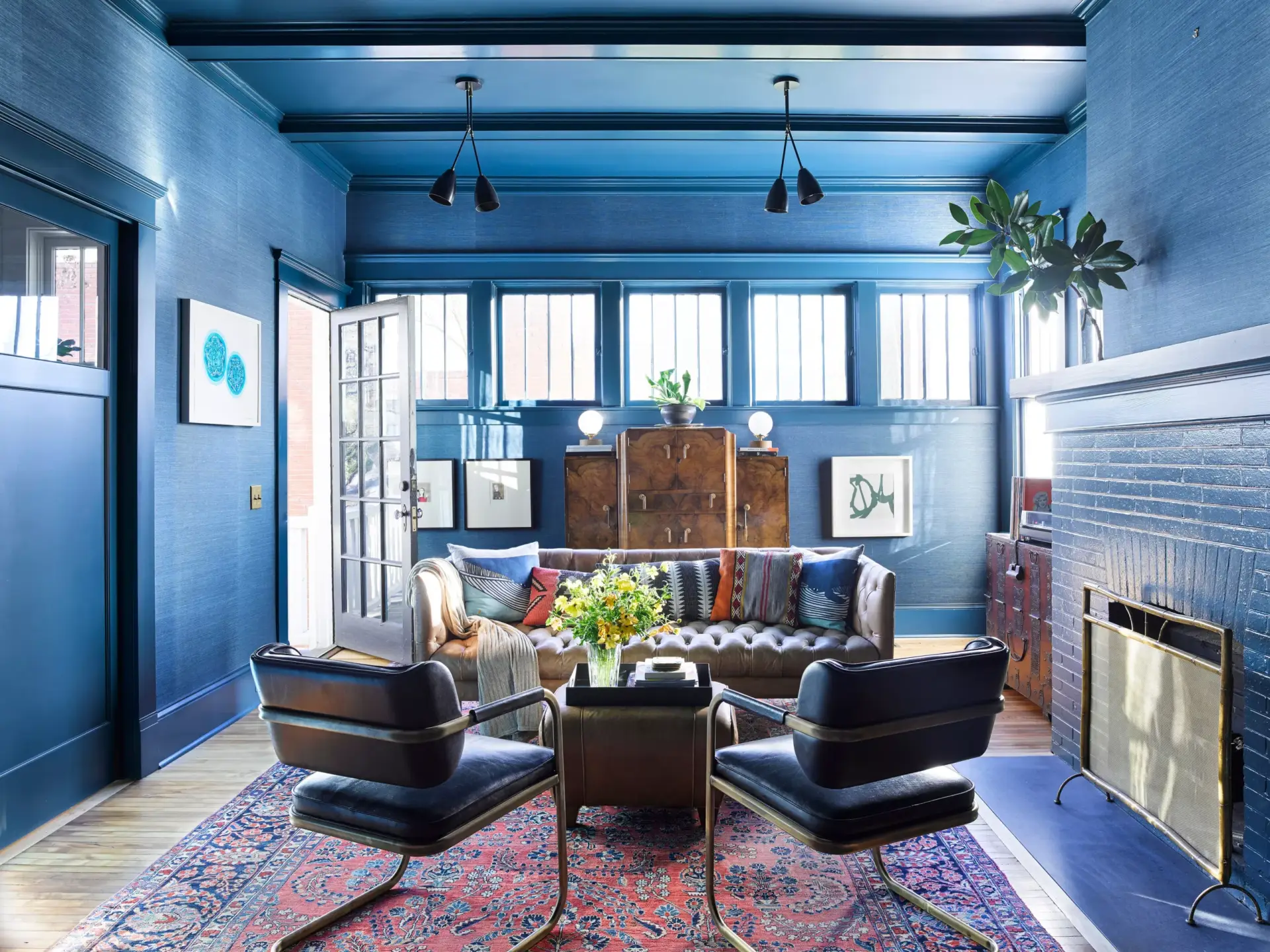
Vintage design magazines and books rarely show rooms where every surface shares the same color, suggesting this is a more modern and perhaps less timeless approach. However, novelty in itself is not a bad thing. Designer Melanie Zaelich, founder of Happy Place Interiors, explains that she loves this technique in the right space. According to her, color drenching appeals because it “disrupts the standard way of painting rooms.”
People with traditional interiors featuring lots of woodwork are particularly drawn to this trend, as it offers a fresh take on classic details. Zaelich notes that “woodwork gives the monochrome room depth, texture, and interest.”
When Does Color Drenching Work Best?
For those who are curious but cautious, Zaelich recommends trying it in three types of spaces:
Cozy Rooms for Rest
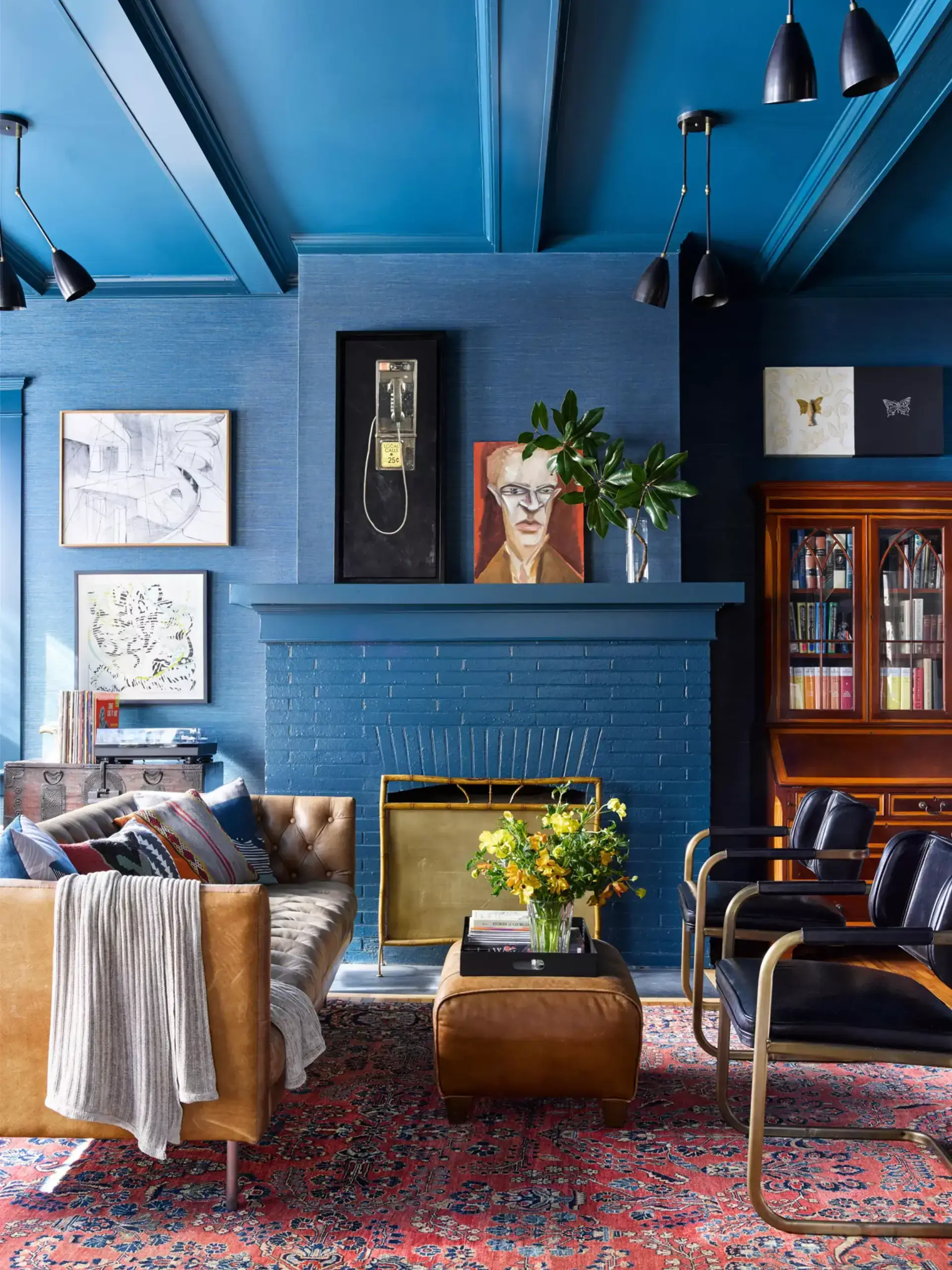
Color drenching produces a calming, low-contrast effect. Zaelich suggests applying it in “children’s rooms, home offices, or primary bedrooms,” as well as in living spaces — anywhere you want to snuggle up, read, nap, watch TV, or have relaxed conversations. She recommends adding long curtains that match the room color to amplify this feeling of lush calm.
Modern Homes
Although many apply color drenching to traditional details like moldings, wainscoting, and woodwork, this technique also suits contemporary homes where broad expanses of color complement geometric shapes. The article suggests pairing brightly colored tiles in a modern bathroom with walls and ceiling for a glowing cave effect, or pairing Memphis-style furniture with a color-drenched living room.
Budget-Friendly Spaces
Color drenching can refresh a tired room for the cost of paint alone. A run-down porch or a pantry that isn’t a renovation priority can be transformed floor to ceiling with a single color, delivering a bold look and a fun backdrop for accessories, without a major investment.
Alternatives to Color Drenching
For those still hesitant but wanting a bold aesthetic, here are three alternatives that offer warmth and welcoming energy with more historical precedent:
Contrasting Trim
A centuries-old approach involves painting the walls and ceiling one color and the trim another. Whether the trim is slightly darker than the walls, a contrasting shade, or classic white, it introduces rhythm and depth. Painting the trim can also be an easy update to an already color-drenched room.
“Pattern Drenching”
This newer trend is more common in vintage design. Matching fabric or wallpaper covers walls and ceiling, and the same pattern appears on curtains, canopies, bedding, or upholstery. The movement of the pattern creates a luxurious feel with substantial depth.
Draped or Patterned Ceilings
Adorning the ceiling with draped fabric, wallpaper, or hand-painted patterns generates the cozy feel of color drenching while adding more texture.
Ultimately, color drenching is not a passing fad when used with intention. In the right spaces and with the right proportions, this technique can create interiors that are both modern and timeless.
