
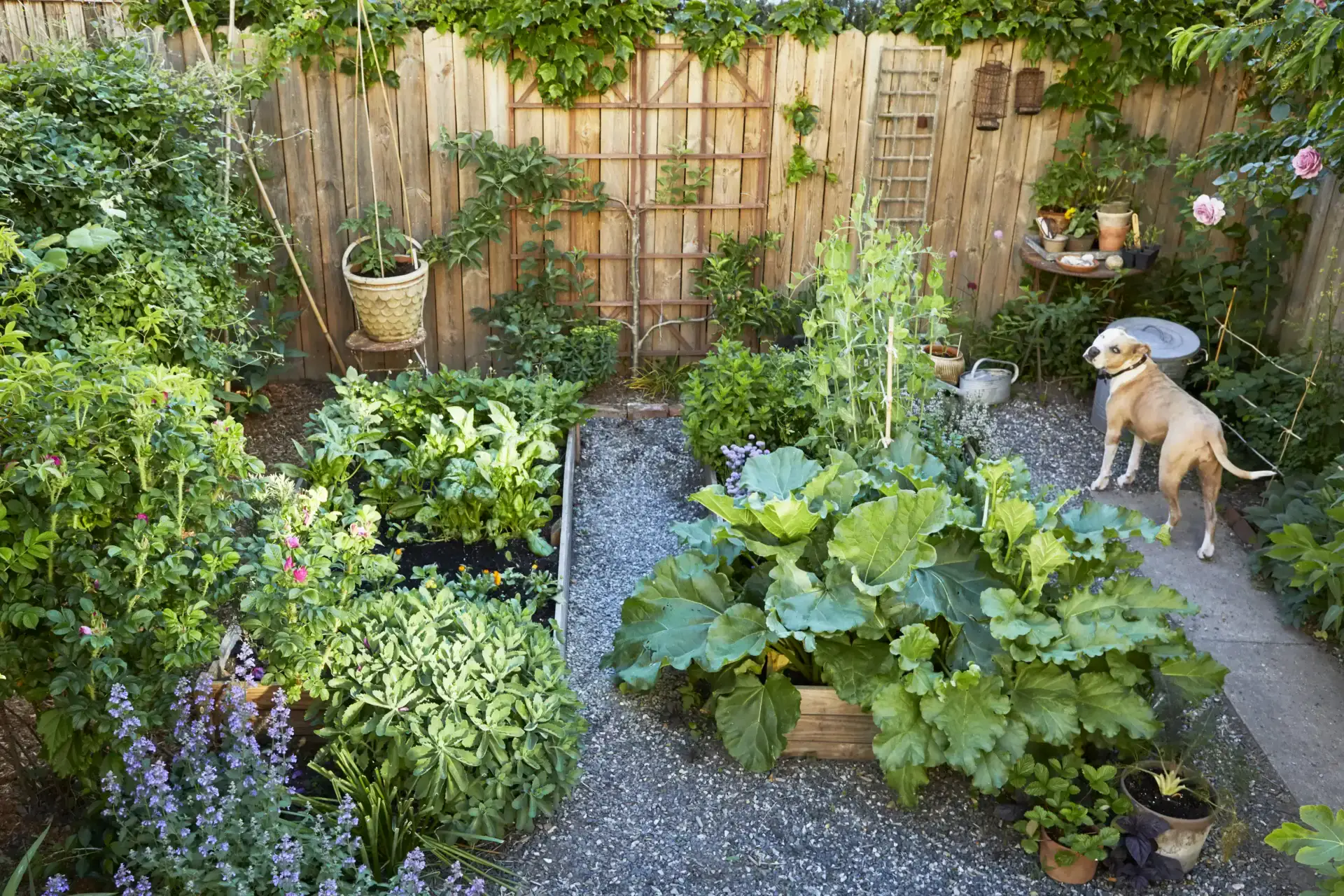
Experts share the trends that will shape our gardens in 2026. This year, people want gardens that go “beyond curb appeal” — plant sanctuaries focused on ecological health, emotional well-being, and reconnecting with nature. The trends draw on perspectives from Paris Lalicata (Head of Plant Education at The Sill) and Katie Tamoney (Marketing Director at Monrovia Plants).
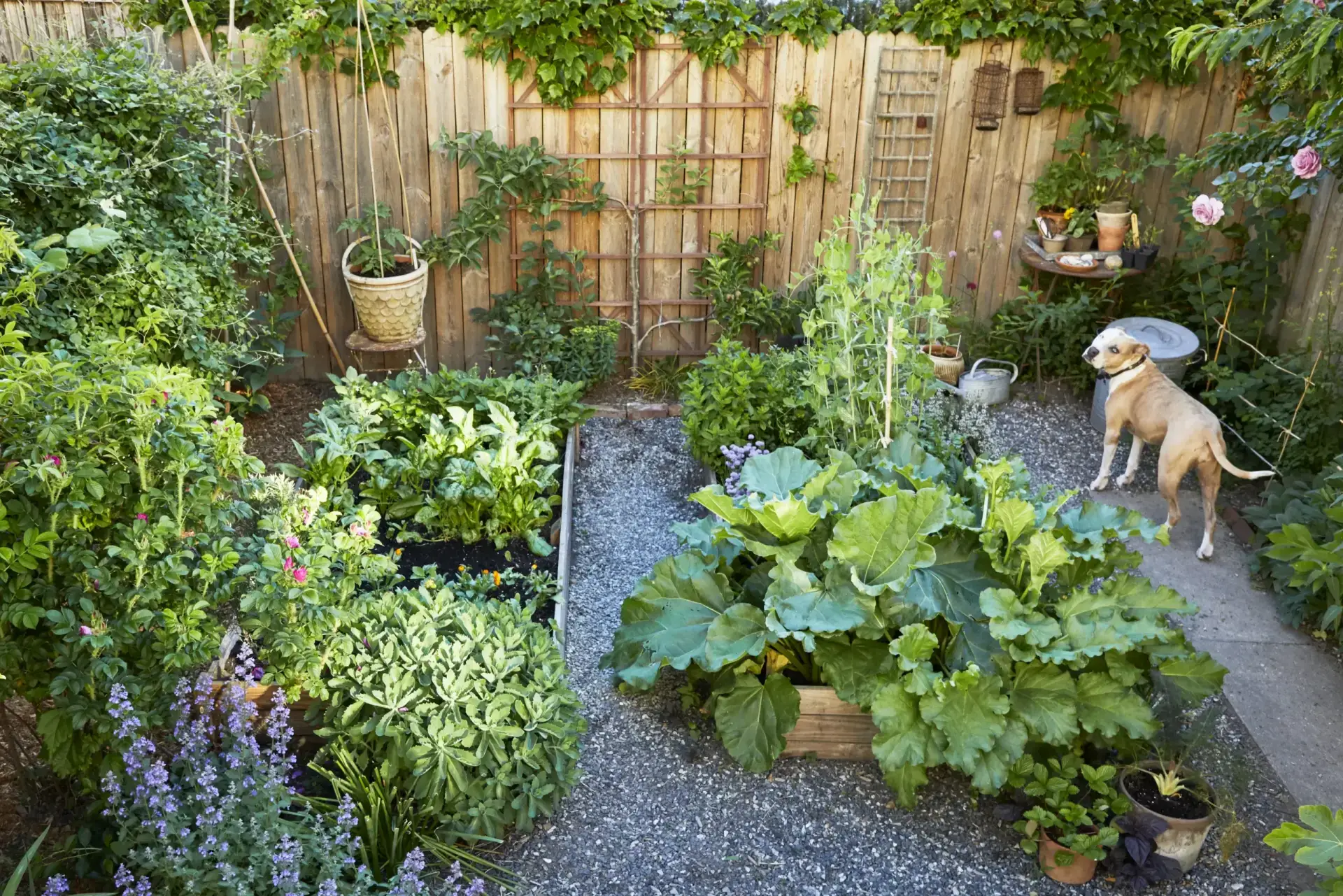
1. Gardening for the Planet
Gardeners are using their plots to “restore the ecosystem, one plant choice at a time.” This means planting native species that require less water and fertilizer, and growing edible food to reduce their carbon footprint. In 2025, the National Wildlife Federation certified more wildlife habitats than in the previous five years combined. The Eastern monarch butterfly population doubled, thanks in part to increased plantings of milkweed and nectar plants. Demand for native plants has surged 82% since 2020, as people seek species that nourish wildlife, improve soils, and manage stormwater.
Edible plant sales are also booming. The Sill reported a 60% increase in Meyer lemon tree sales, and more and more customers are purchasing drought-resistant olive trees. Lalicata states: “Growing a plant may feel insignificant, but it can spark a deeper connection with nature.”
2. Plant Collecting
According to the Garden Media Group (GMG), “plants are the fastest-growing collectible category.” Gen Z and Millennials in particular are rejecting disposable gardening culture. Instead of buying whatever is on sale at big-box stores, they source plants through swaps, neighborhood sales, and collector groups on social media.
The GMG describes the phenomenon this way: “Collecting plants is the new Pokemon. Plant collecting taps into the same emotions as gaming: achievement, progression, and control.” Some collectors amass many varieties of a single type; others seek out rare cultivars, unusual foliage, or plants with a story. The article calls it “a radical act of seeking meaning and permanence in living organisms.”
3. Soothing and Subtle Colors
Gardeners are seeking calming moods through muted, greyed-out palettes. The GMG named “Faded Petal” — “a soft blush kissed by ash” — its color of the year, alongside Kusumi colors (a Japanese term for smoky or matte tones inspired by “objects softened by time”). To bring these hues into the garden, the article suggests pairing Faded Petal plants (such as Costa Farms’ Pink Princess philodendron, Star Roses’ Princess Charlene de Monaco, or Sunset Plant Collection’s Pink Shades Magical hydrangea) with vintage pottery, white trellises, plant stands, and weathered wood textures.
4. Pet-Friendly Outdoor Spaces
With 71% of U.S. households owning at least one pet, people are creating dedicated outdoor spaces for their animals. “PETios are the new patios,” declares the article. Recommended pet-friendly plants include zinnias, daylilies, ferns, marigolds, rose bushes, and blueberry bushes, along with flowering shrubs and understory trees like saucer magnolia and serviceberry. For privacy screens, the article suggests boxwood, viburnum, and camellia. Beyond plants, this trend includes secure fenced play areas, shade with shade sails or umbrellas, feeding stations, stain-resistant outdoor rugs, and elevated dog beds on patios.
5. AI Fatigue
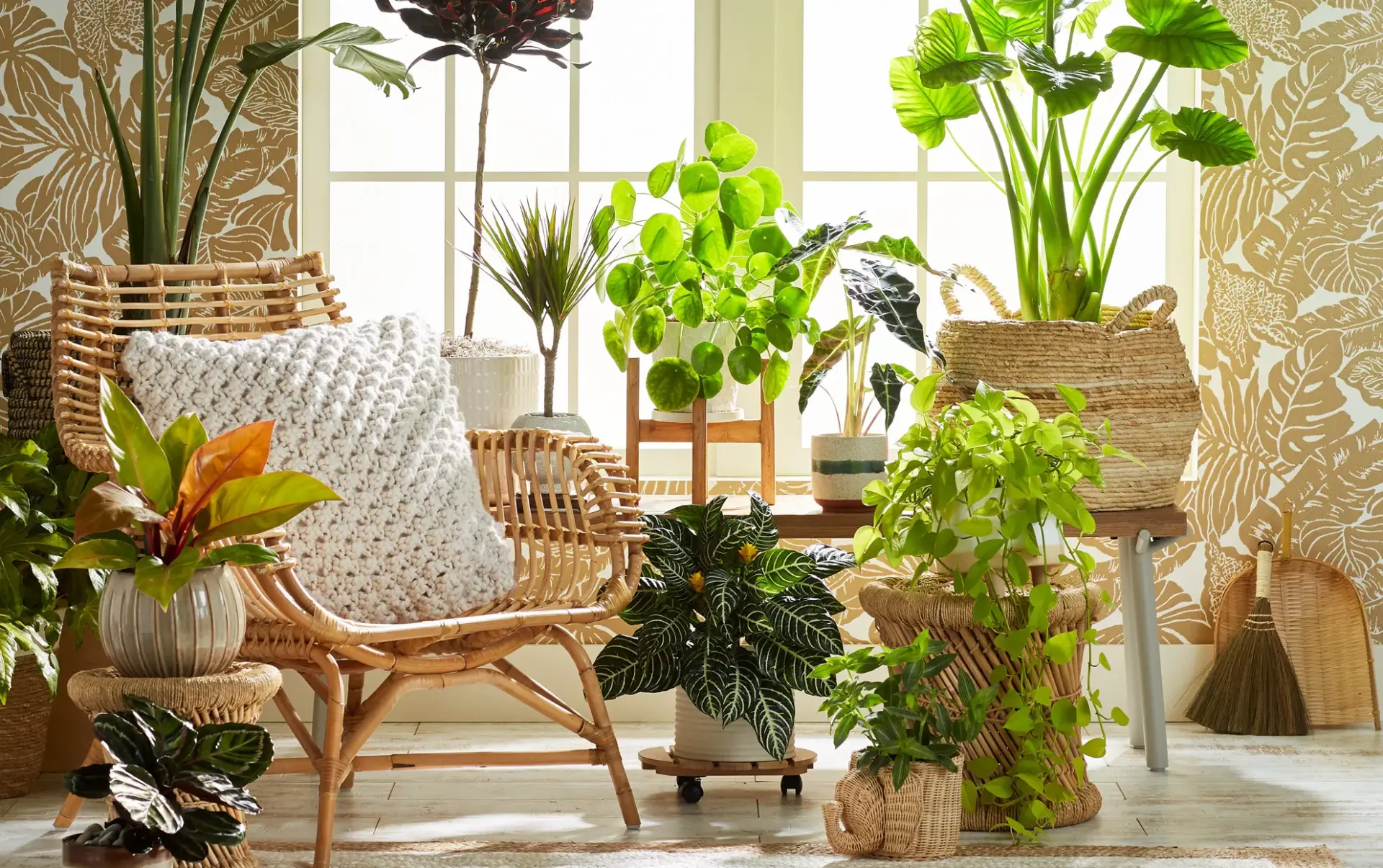
According to the article, “many of us are growing tired of screens, algorithms, and chatbots,” and this is showing up in gardening behaviors. The Sill reports a 30% increase in appointments with human plant specialists, as people tire of chatbot and AI advice. Sales of retro houseplants — snake plants, ficus, dracaenas — are also on the rise, likely because these varieties evoke nostalgia for a time when people spent more time outdoors.
Monrovia notes a growing interest in nostalgic ornamental plants like roses, jasmine, and lavender for their “timeless, multisensory appeal” and their ability to create a relaxing atmosphere where one can disconnect from digital life.
6. Data-Driven Gardening
As a counterpoint to AI fatigue, some gardeners want their phone to be their best tool — “high-tech for low-maintenance gardens.” This means using apps that diagnose plant diseases from a single photo, virtual gardening assistants offering real-time care tips, soil moisture and weather sensors, and smart irrigation systems that adjust schedules based on local forecasts.
The article notes that “guessing which plants will survive in your garden and sticking your finger into your monstera’s soil” feels outdated. In an era of unpredictable weather conditions, data-driven approaches help gardeners “navigate the ups and downs without wasting time and resources.”
The 2026 garden trends reflect a growing desire for functionality, sustainability, and natural beauty. Whether you have a vast plot of land or a small balcony, these six trends offer concrete ways to create an outdoor space that nourishes both the planet and the soul.
