
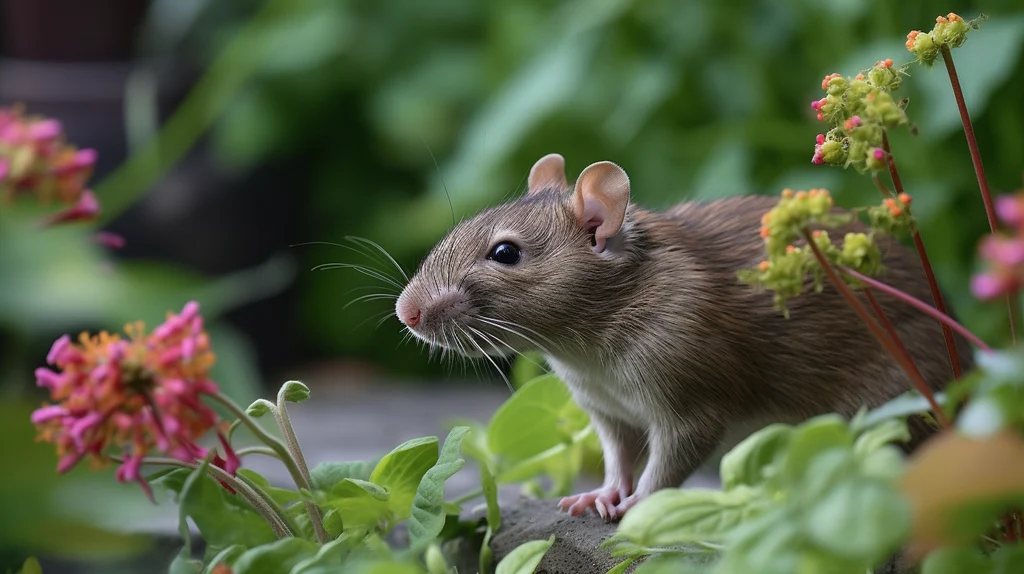
For many, the garden is a cherished part of their home, serving as a place for relaxation, family time, and social gatherings. Maintaining its condition is essential to fully enjoy and use this space. However, gardens can face various challenges, including damage from weather, neglect, and the presence of pests such as rats.
Rats, considered pests, can create numerous problems if they infest your garden. It is crucial to promptly address a rat problem to maintain the health and beauty of your garden.
This guide explores how to eliminate rats from your garden, providing all the necessary information on this issue.
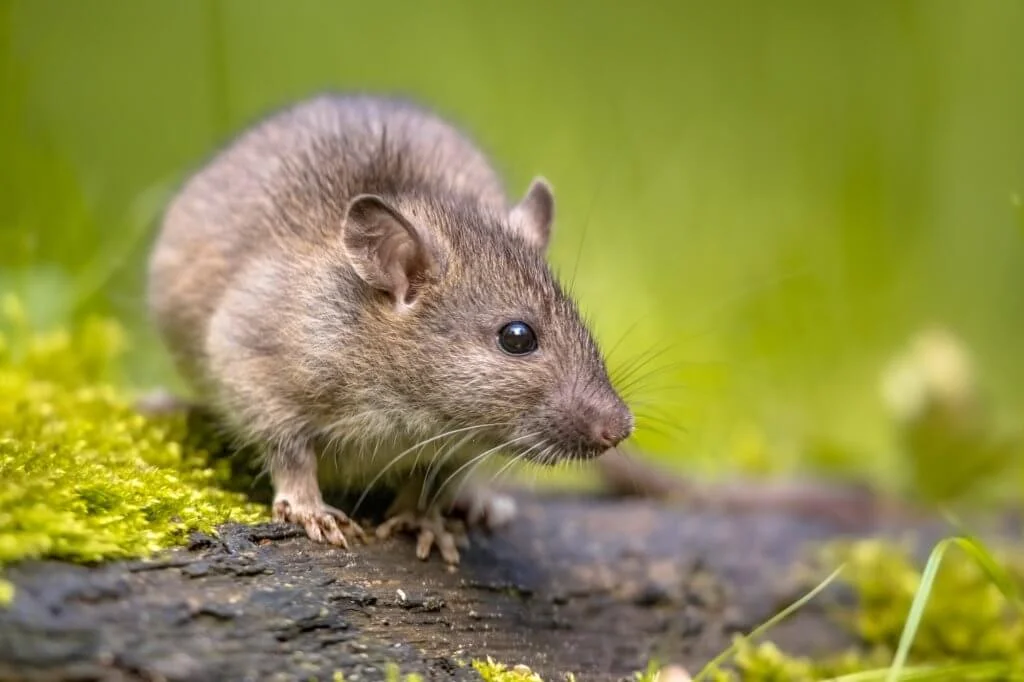
Identifying Rats in Your Garden
Recognizing the signs of rats is the first step in addressing the problem. Watch for:
Rat droppings: A clear indicator of rat presence. Frequent droppings suggest nearby rats. Rat droppings are the size of an olive and are often found in clusters, distinguishable from the smaller, pointed droppings of mice.
Footprints: Rat footprints may be visible in soil or dirt. To confirm their presence, try sprinkling flour and check for consistent prints over time.
Burrows: Common in flower beds and grass, rat burrows indicate their presence.
Bite marks: Rats chew on various materials, so look for teeth marks on outdoor objects.
Physical sightings: Seeing rats, especially at night, is a definite sign. Some use night vision cameras to confirm.
Problems Caused by Rats
Wild rats can cause considerable damage to gardens:
Plant destruction: Rats eat almost anything, including plants and vegetables.
Damage to containers and storage: Outdoor storage items are at risk of rat damage, as rats chew through materials like plastic and cardboard.
Structural damage: Rats can damage structures such as sheds by gnawing through materials like wood and plastic.
Electrical wiring damage: Outdoor electrical items are vulnerable to rat chewing.
Spread of disease: Rats can carry diseases harmful to humans, such as leptospirosis and hantavirus.
Eliminating Rats from Your Garden
Here are effective ways to rid your garden of rats:
Stop bird feeding: Temporarily stop feeding birds, as fallen seeds attract rats.
Keep a clean garden: A clean garden provides fewer hiding places for rats.
Secure garden buildings: Seal holes in sheds and outbuildings to prevent rat access.
Protect your composter: Seal compost bins and avoid adding food scraps.
Eliminate water sources: Rats need water; secure drains and repair leaking taps.
Encourage predators: Natural predators like foxes can help control rat populations. Feeding foxes may attract them to your garden.
Use traps and poison: This should be a last resort. Follow instructions carefully to avoid environmental harm.
For more information on DIY, home improvement, and garden maintenance, explore our range of articles.
