
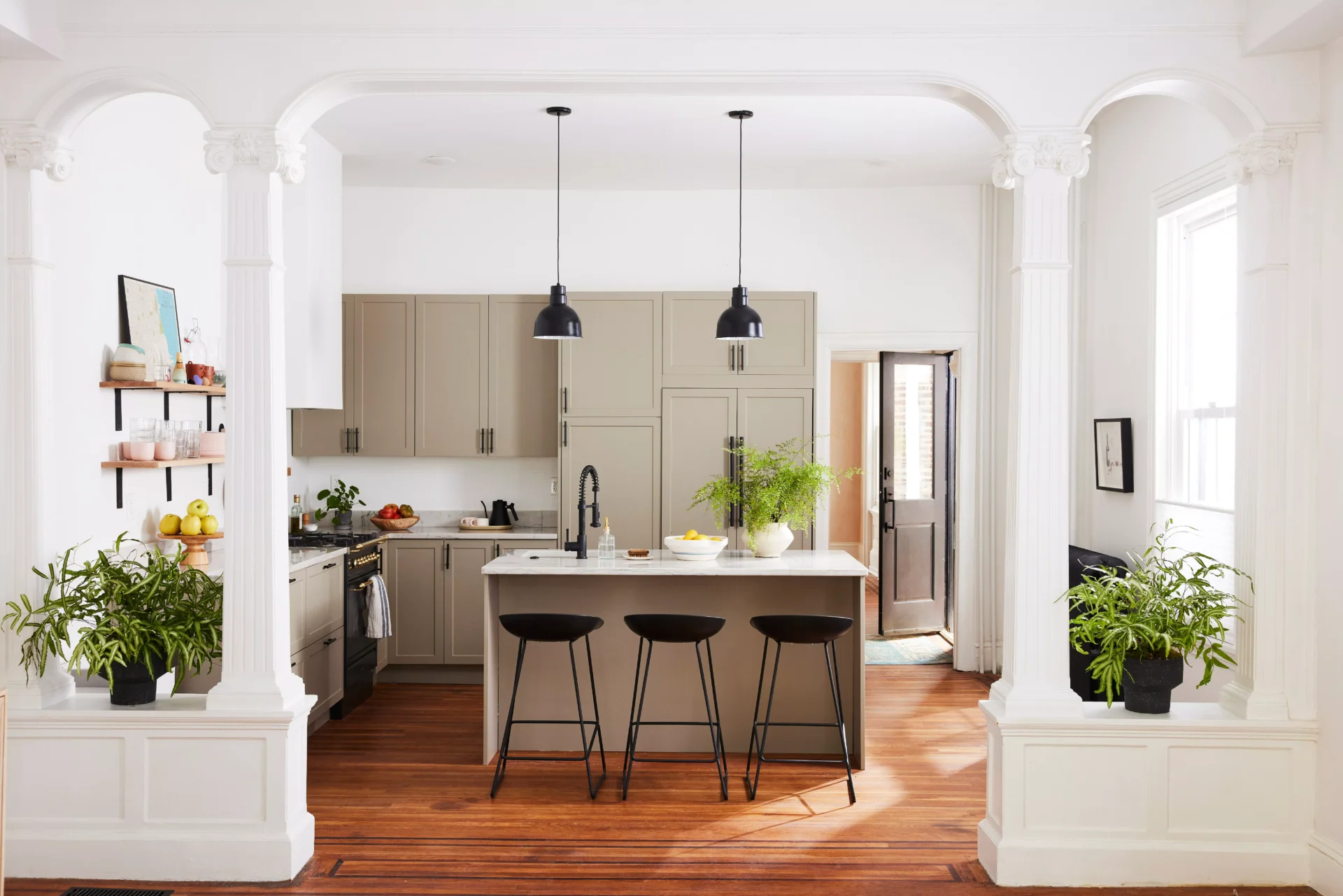
Beyond the obvious physical tasks of domestic life lies a far heavier and above all invisible burden: the mental load. This silent but omnipresent phenomenon represents the constant tracking, remembering, and decision-making required to effectively manage a household. Dr. Regina Lark, a certified professional organizer specializing in decluttering and life transition, explains that this load almost always manifests physically in the home, far more often than is generally thought. “You see it in the piles,” she says with clinical insight. “The mail on the counter, the clean but unfolded laundry, a pile of things waiting patiently to be returned. Each pile represents a small decision that someone simply did not have the mental capacity to process at that moment.”
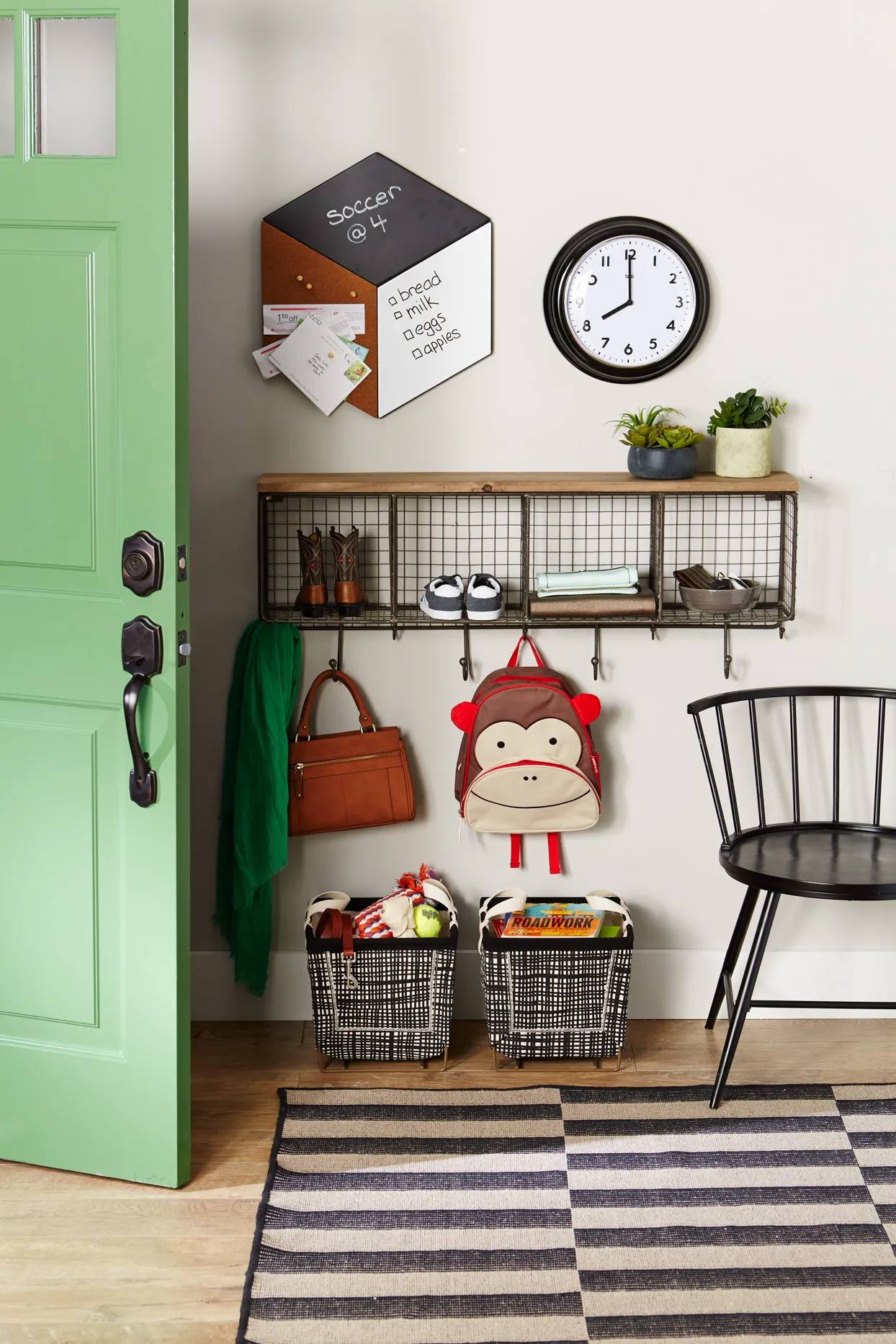
If you have ever looked around your home thinking “why can’t I manage all this?” know that you are not alone. Lark invites you to completely reframe that self-critical thought. Between demanding work, caring for loved ones, social obligations, and the daily responsibilities that pile up, our brains operate in near-constant cognitive overload. She considers clutter not as a sign of laziness or disorganization, but as deferred decision-making in the face of too great an influx of demands. “When your brain is bursting at the seams, those decisions are set aside,” she explains. “Our cognitive brain needs conclusion and closure. When something remains unfinished, it continues to occupy our mind and drains our mental energy without us being fully aware of it.” The transitional zones of the home — the entryway where you drop your belongings, the kitchen counter, the dining table, the chair in the bedroom — are the first places where this mental load materializes in visible form. Lark calls these areas “delayed decision centers,” those strategic spots where objects accumulate for lack of the mental capacity to process them and find them a permanent place.
Although mental load can affect everyone regardless of gender, women often carry a disproportionate share for deeply rooted cultural and historical reasons. Lark observes that “girls are raised to notice everything and remember everything. For generations, women have been expected not only to physically maintain the home, but to strategically manage it, to anticipate everyone’s needs, to plan appointments and activities in advance.” This powerful social expectation transforms many women into default household managers, responsible for everything from school forms to maintenance appointments, grocery lists, birthday gifts, and medical appointments. The goal of decluttering and organization is not the unattainable immaculate perfection, but simply reducing the number of decisions your brain must simultaneously hold onto in order to function effectively.
To concretely lighten this mental load that weighs on your daily life, Lark recommends several practical habits that have proven themselves with her clients. Start by estimating the time needed for each task and schedule it in your calendar — the simple act of transforming a vague, anxiety-inducing task into a concrete appointment considerably reduces the associated anxiety. Define a precise and logical place for each thing, because without a clear system, clutter inevitably spreads like an oil stain. The best systems are those that are obvious, intuitive, and easy to use on a daily basis by all family members. A systematic five-minute reset every evening can prevent the accumulation of pending decisions and offer you a fresh start each morning. If a system is complicated, it will not last: use clear containers with simple labels and store items near where they are used to minimize effort. But the most profound and meaningful change remains the honest redistribution of responsibilities within the household — truly delegating with trust, transferring full ownership of tasks rather than simply asking for occasional help that still requires supervision. Lightening the mental load means creating a sustainable balance that benefits every member of the household and transforms domestic life into a source of fulfillment rather than stress.
