
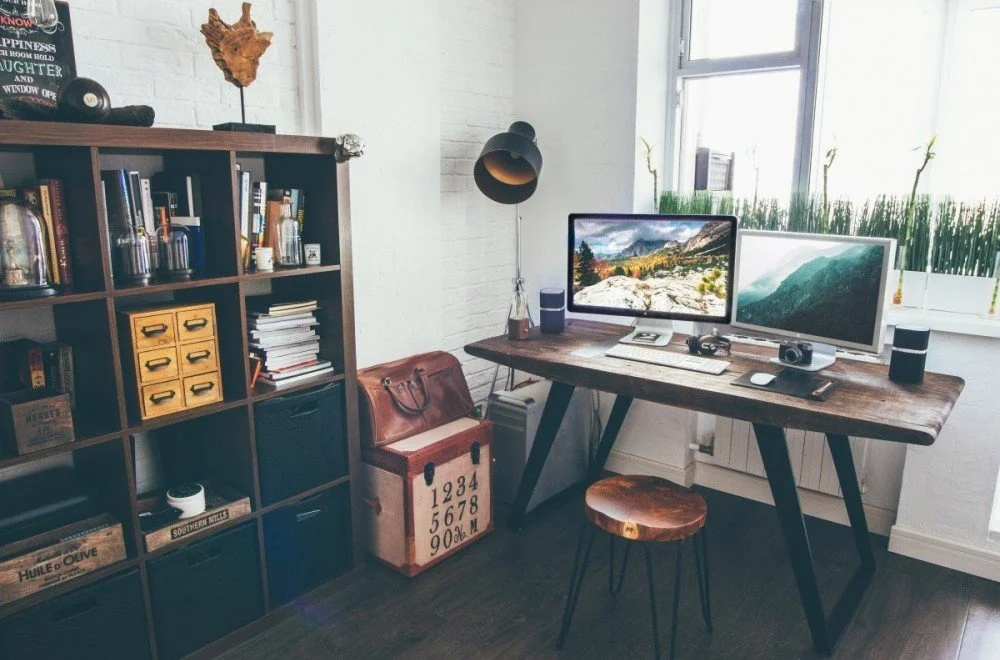
The growing shift toward remote work has significantly increased the need for home offices. Many people are now facing the challenge of establishing a workspace within limited living areas. This blog post aims to help you set up a functional and welcoming home office in a small space.
We’ll share effective strategies and clever solutions for designing a workspace that meets your needs and integrates seamlessly into your home environment. These tips will be particularly helpful for freelancers, remote workers, or anyone needing a dedicated spot to manage household tasks and paperwork.
Assessing your available space
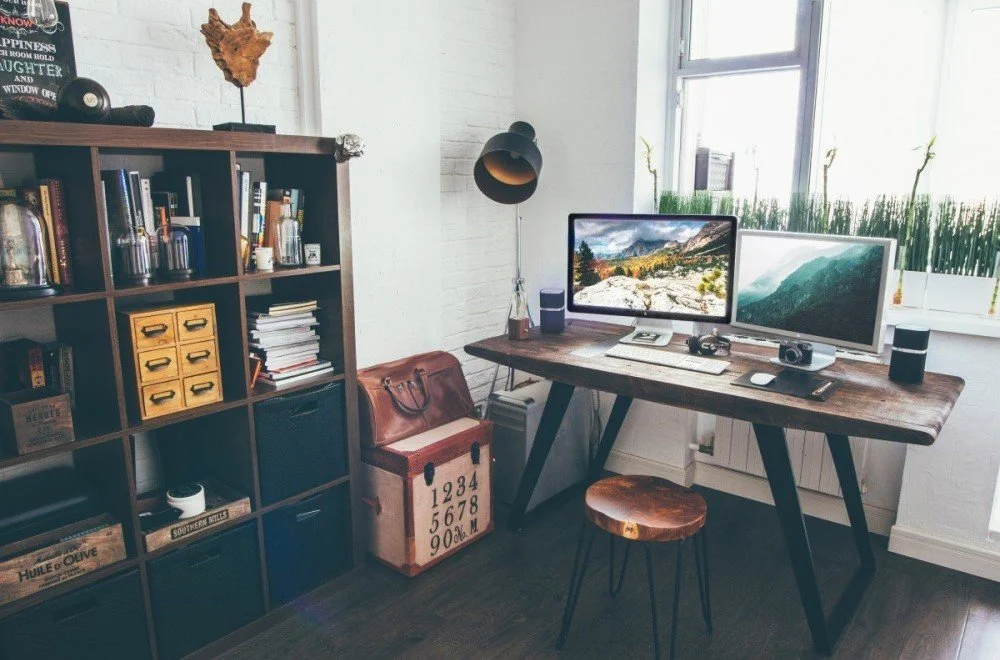
Creating a clutter-free environment is crucial for mental clarity and productivity. The key to a successful small home office lies in thoughtful planning and layout. Choose furniture that is both functional and space-saving. A compact desk with simple design elements can provide the necessary workspace without dominating the room.
Vertical storage solutions, such as tall shelves and wall-mounted systems, are excellent for conserving floor space while keeping essentials within reach. This approach is often used in professional office setups to maximize efficiency. By incorporating these techniques into your home office, you can create a workspace that is both productive and space-efficient, regardless of your room size.
Optimizing productivity
In a small home office, choosing the right furniture and layout is essential for maintaining a clear and productive environment. Select pieces that fit well within the space and avoid overcrowding. Use vertical storage options, such as tall shelves and hanging organizers, to maximize your space. This not only keeps your office essentials within reach but also ensures an organized and tidy workspace conducive to focus and productivity.
Incorporating multifunctional furniture
Multifunctional furniture is a must-have in small spaces. Desks with built-in storage can help you keep your workspace organized without requiring additional bulky furniture. Consider foldable or convertible pieces, such as a desk that tucks away after work or a table with multiple uses. This adaptability is ideal for those who cannot dedicate an entire room to office use.
Additionally, consider repurposing existing furniture. A dining table, for example, can also serve as a spacious desk, saving costs and maintaining a cohesive home aesthetic. By choosing adaptable furniture, you can create a versatile space that seamlessly accommodates both work and personal life.
Enhancing the space with decor
The visual appeal of your home office greatly influences your productivity and mood. Choose light, neutral colors to make the space feel larger and more airy. Adding a pop of color with accent walls or vibrant accessories can also enliven the space without overwhelming it.
Mirrors can be strategically placed to reflect natural light and create the illusion of a larger area. Good lighting is essential; a mix of task lighting, accent lighting, and ambient lighting can illuminate the space and create a more spacious feel.
In terms of decor, opt for clever and stylish solutions. Wall-mounted baskets for paper storage and attractive desk organizers can make your space both tidy and aesthetically pleasing. By combining decorative elements with organizational tools, you create a workspace that is both functional and enjoyable to be in.
