
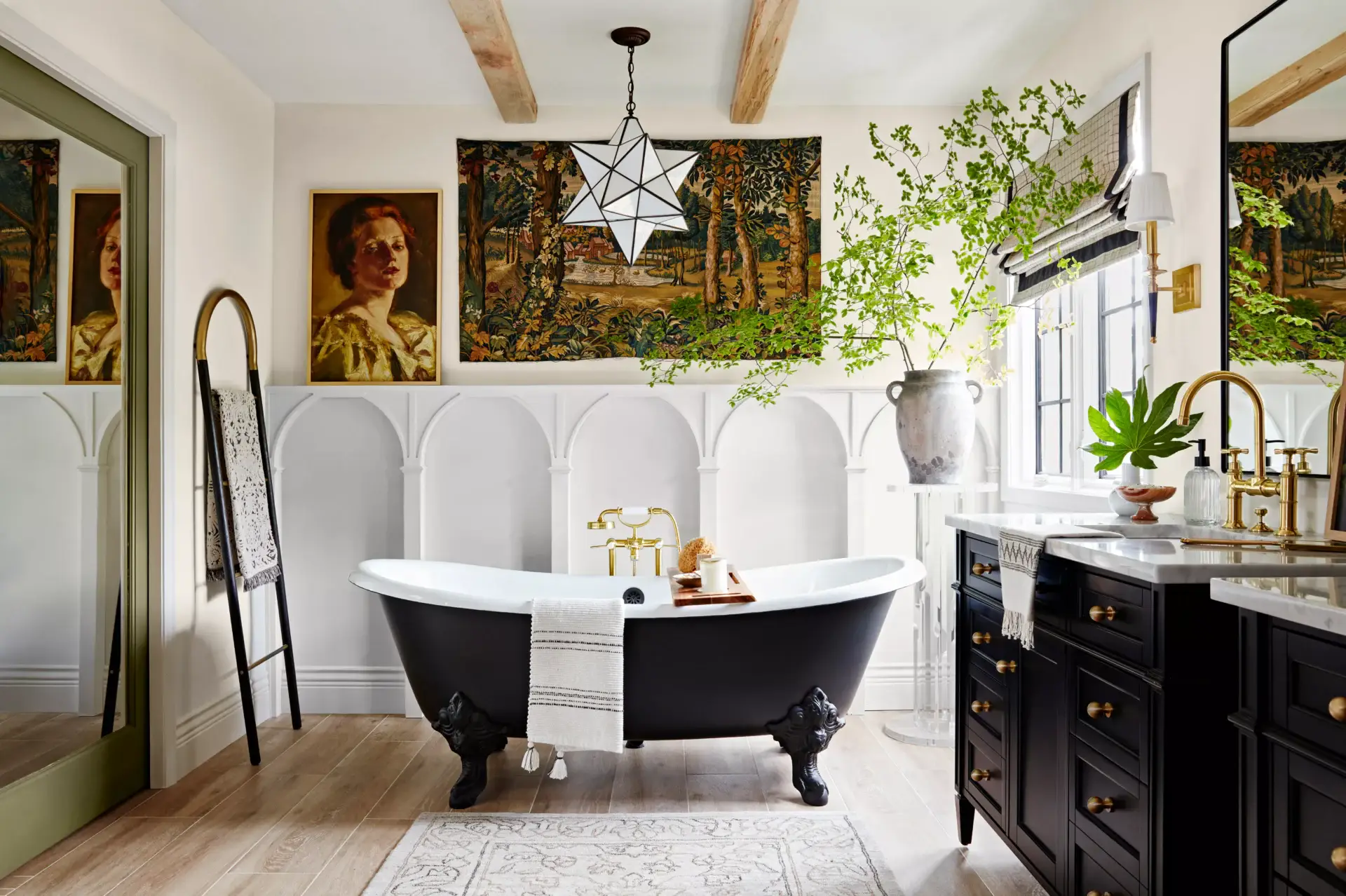
Interior design is now moving beyond visual aesthetics to embrace what is called “sensory design” — spaces that actively engage all five senses. Kelsey Fischer, lead designer at Havenly, describes this approach as being “focused on the experience of being in a place, not just on the aesthetics.” While interior design has historically centered on appearance and flow, sensory design takes a broader view, intentionally stimulating touch, hearing, sight, smell, and even taste.
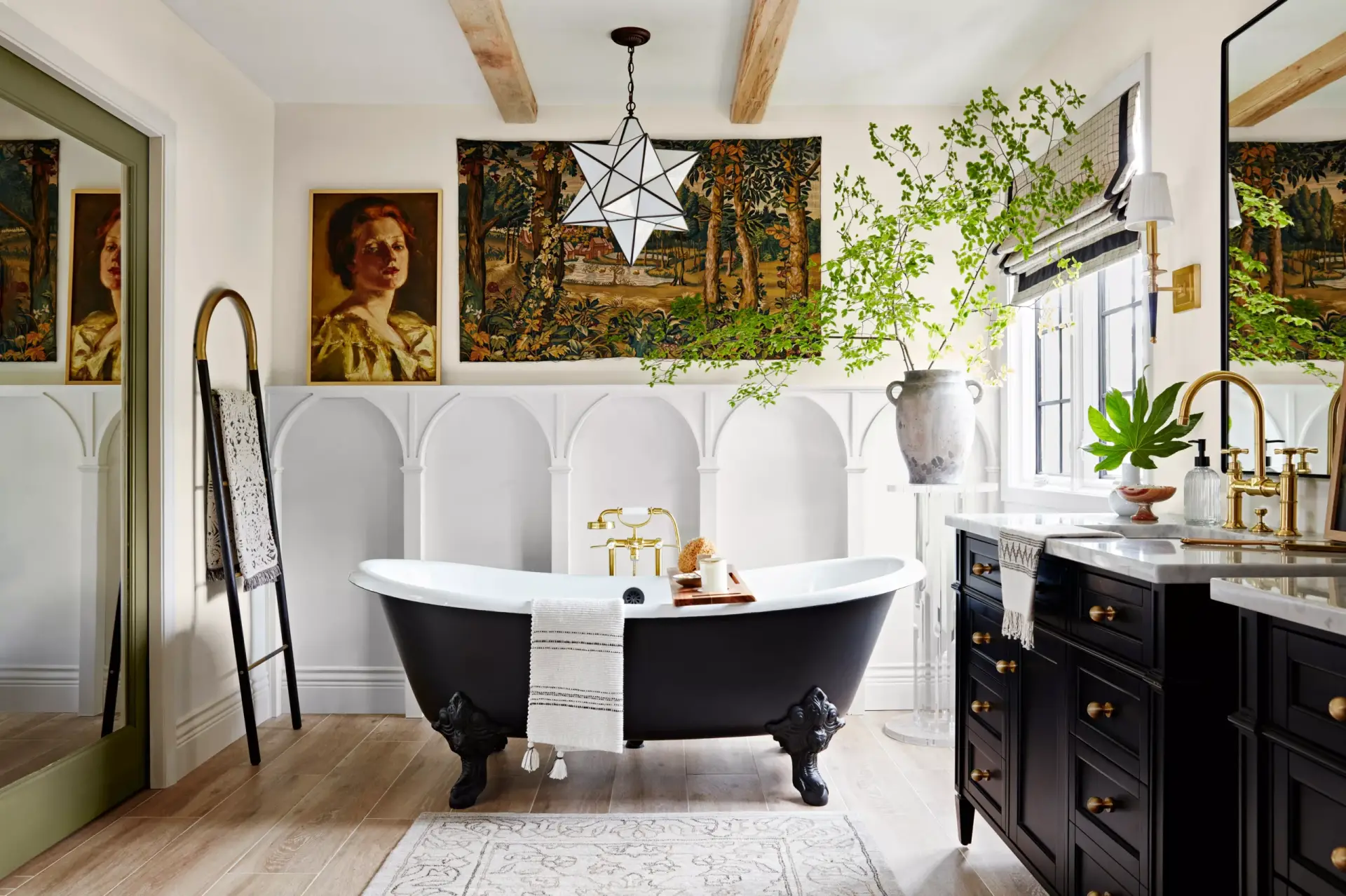
Visible and Tactile Textures
After a long period of minimalist, clean design, decor trends are becoming more visual, tactile, and natural. Fischer explains that materials are now chosen “for their touch, their aging, and their sound, not just for their durability.” Surface imperfections, natural wood grains, and artisanal finishes are all examples. Pinterest’s 2026 design trends highlight tactile textures like bamboo bead curtains, handwoven baskets, plush velvet, scalloped edges, and ribbed accents.
Sound-Softening Textiles
Attention to sound is a major trend in sensory design. Fischer notes acoustic panels (often disguised as art or millwork), upholstered or fabric-wrapped walls, and furniture with curved shapes that reduce sound bounce. She particularly recommends sound-dampening updates in rooms with high ceilings, open layouts, and hardwood floors. Adding rugs, drapes, and even shelving helps soften noise.
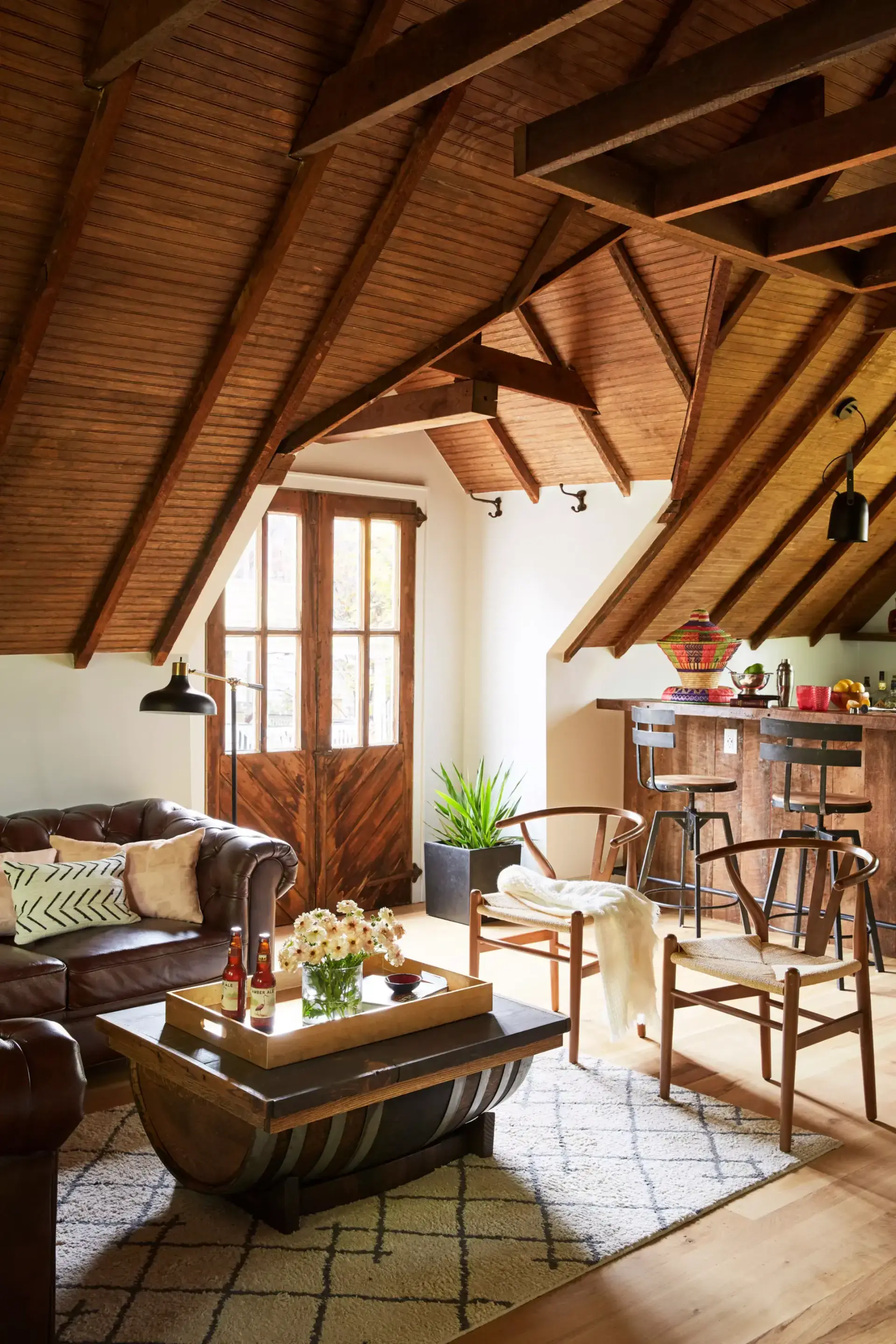
Reducing Noise, Odors, and Clutter in the Kitchen
The NKBA’s 2026 Kitchen Trends Report indicates that homeowners are choosing appliances that create a better cooking and gathering environment: quiet dishwashers, range hoods that discreetly remove smoke, steam, and odors, and soft-close cabinets that prevent jarring sounds. The article also notes a trend toward closed cabinetry and hidden storage like pantries, which reduce clutter for a calmer space.
Personalized Home Fragrances
The popularity of home fragrances is on the rise — incense, diffusers, candles, and simmer pots are expected to enhance the sensory atmosphere in 2026. Fischer says scent adds “to the layered experience and enjoyment of your home.” Trends are moving toward personalized scents synced with the time of day, activity, or room.
Nature-Aligned Lighting
Lighting is already a major component of sensory design, but its use is evolving. The article suggests using fewer ceiling fixtures and more lamps. Fischer advises focusing “on the quality and type of light in each space based on the task you want for that room.” Lutron’s 2026 trend report shows that lighting is changing to mirror natural light transitions — warm and dim in the morning, cool and bright at midday, golden in the late afternoon.
Wellness-Focused Bathrooms
Bathrooms are positioned as personal retreats and wellness sanctuaries. The NKBA’s 2026 Bathroom Trends Report shows that sensory trends are gaining momentum. Touch is a major element: textured flooring for safety, water temperature and pressure in showers. Updates include radiant floor heating, heated towel racks, and shower designs offering multiple water experiences.
Water Filtration and Beverage Centers
Taste is addressed through water filtration, which continues to gain ground due to awareness of water quality factors and the desire for better water tied to health initiatives. Options range from countertop filters to under-sink or faucet filters, all the way to whole-house systems. Beverage centers remain popular, with homeowners seeking custom upgrades for entertaining and daily rituals.
Sensory design reminds us that our home is not just decor to look at, but an environment to fully experience with all our senses. In 2026, this holistic approach is transforming our living spaces into true sanctuaries tailored to our physical and emotional well-being.
